
Current travel advice
Checked on 14 October 2026: the US Department of State lists Tanzania at Level 3, reconsider travel, citing unrest, crime, terrorism and targeting of gay and lesbian individuals. The UK FCDO advises against all but essential travel within 20 km of the border with Mozambique’s Cabo Delgado province. These are different assessments for different audiences; neither is a promise of safety elsewhere.
Use your own government’s full advisory and map for the whole journey, including extensions and transit. A northern safari route does not cancel countrywide concerns. Recheck before departure and during the trip, and ask what happens to your booking if circumstances change.
Your exact route
Review overnight stops, airports and transfer roads, rather than judging a trip only by the park names.
Your circumstances
Read guidance relevant to your identity, mobility and travel companions. Personal risks can differ significantly.
Your operator
Request clear transport, camp and emergency arrangements in writing. A polished itinerary is only the starting point.
Your cover
Ask your insurer how current advisories affect cover, cancellation and evacuation for every planned activity.
Wildlife and camp rules
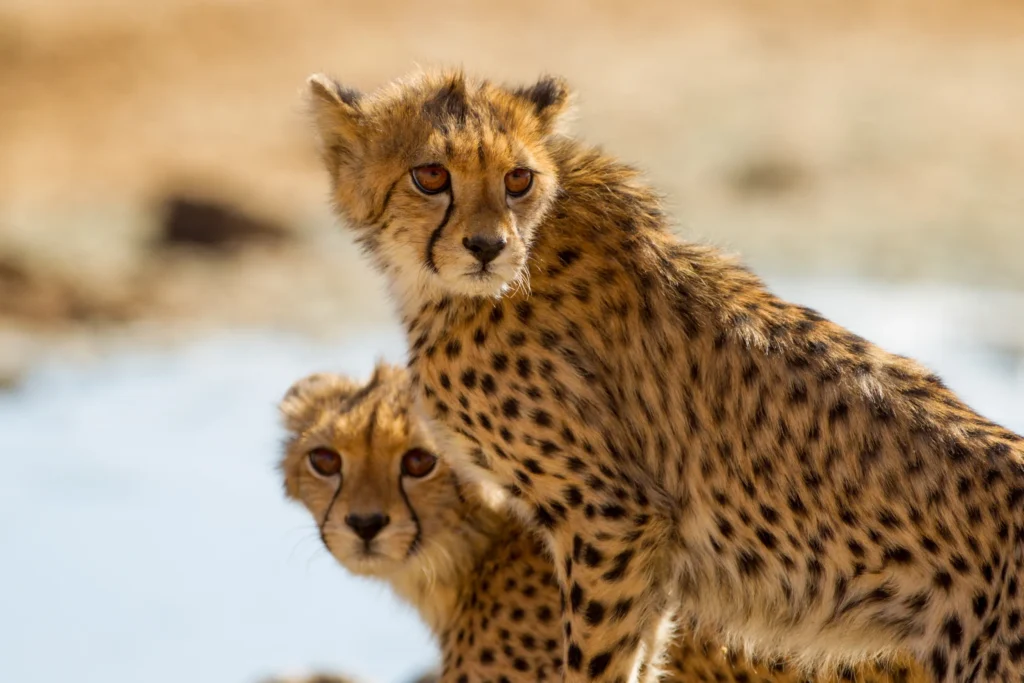
Follow park rules and your guide’s instructions. Stay inside the vehicle unless explicitly permitted to leave in a designated place; never approach, feed or call to animals. A resting animal is still wild. Keep children beside an adult and make sure everyone hears the briefing.
During game drives
Tell the guide if you need a stop and wait for a suitable location.
- Keep limbs and equipment inside near wildlife.
- Avoid sudden movements or loud noises.
- Let the guide decide viewing distance.
At your camp
Ask staff about boundaries, lighting and escorts on arrival.
- Use an escort when the property requires one.
- Follow instructions about food in rooms.
- Report animals near paths instead of approaching.
Transport and town visits
The FCDO safety guidance warns about road conditions and recommends avoiding driving outside major towns and cities at night. Arrange transfers through your hotel or operator, confirm who meets you, and allow time after a late arrival. Ask about seat belts, vehicle condition and the response to a breakdown.
| Situation | Ask before travel |
|---|---|
| Airport arrival | Who meets us, where and how do we verify them? |
| Road transfers | What is the expected duration, with breaks and daylight travel? |
| Remote game drives | What communication and breakdown arrangements are available? |
| Optional flights | Which airline operates the flight, and what current safety advice applies? |
In towns, keep valuables discreet, secure important documents and seek local advice before walking unfamiliar routes. Avoid protests and large political gatherings. If a road or activity becomes unsuitable, accept a revised plan rather than pressing to keep the original schedule.
Health and emergency cover
Take your full itinerary to a qualified travel-health clinic. The CDC Tanzania guidance identifies malaria risk in parts of the country and directs travelers to discuss prevention with a doctor. Vaccination decisions, medicines and entry certificates depend on your health and travel history; an operator cannot make those decisions for you.
Discuss bite avoidance, food and water precautions, existing conditions and what to do if you become ill. Keep medicines accessible and ask about storage needs. Remote camps may be far from care: clarify the nearest suitable facility, communication limitations and who coordinates assistance.
Read your policy’s evacuation, activity and pre-existing condition terms. Check current entry insurance rules separately; compulsory local cover may have limits and is not a substitute for reviewing your wider policy.
Before you book
- Read the current advisory for your nationality and every destination.
- Get written transfer, accommodation and emergency arrangements.
- Arrange a travel-health consultation for your actual route.
- Confirm insurance and the terms for itinerary changes.
- Save operator, insurer and consular contacts offline and share the itinerary with someone at home.
Use our Tanzania travel information and safari packing list to organize practical details. For a route involving Serengeti National Park, ask especially about transfer distances and camp communication.
Safety questions
Does a private safari remove the risks?
No. It can give more control over stops and pace, but security, road, wildlife and health precautions still matter.
Can I walk around an unfenced camp?
Follow that camp’s briefing. Ask when escorts are required and do not wander beyond permitted areas, even for a photograph.
Will I need malaria medicine?
A qualified clinician should assess your route and health. Do not copy another traveler’s prescription or assume a short visit removes the risk.
What if official advice changes?
Contact your operator and insurer promptly. Review the revised risk, cover and booking terms before deciding whether to change or postpone.
Share your route and concerns with Back 2 Nature Expeditions so practical arrangements can be discussed alongside your independent advisory and health checks.