The Seronera valley
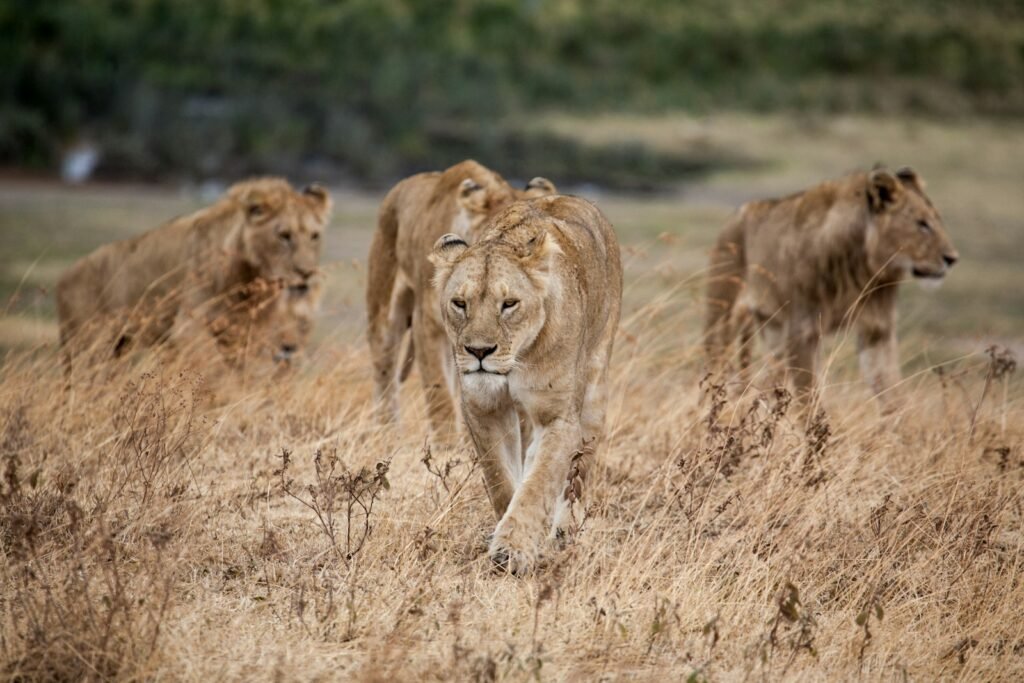
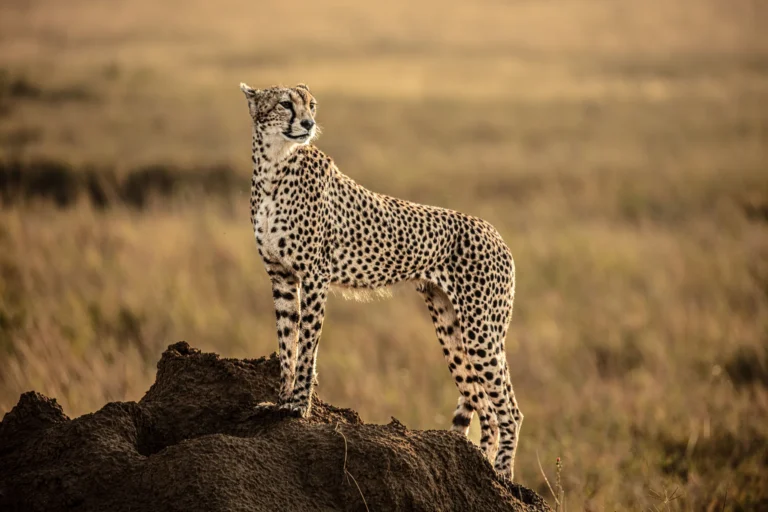
The centre of the park and the most dependable big-cat country in Tanzania. Permanent water keeps lion, leopard and cheetah resident rather than seasonal, and the granite kopjes give them the high ground they like to lie on.
A Serengeti National Park safari is really four safaris, and the one you get depends entirely on the month you can travel. The short-grass plains in the south are a different country from the riverine north, and the herds move between them on a schedule nobody controls. We plan around that schedule rather than pretending it doesn't exist.
February belongs to the southern plains around Ndutu, where roughly half a million wildebeest calve inside about three weeks and every predator in the ecosystem turns up for it. By June the herds are pushing through the western corridor toward the Grumeti. From July to October they are in the far north, crossing and re-crossing the Mara River. The central Seronera valley is the constant — permanent water means resident lion, leopard and cheetah in any month.
If you have four nights here, we usually put two in the centre and two wherever the herds actually are. Getting in is either a long day through the Ngorongoro highlands, which takes in the crater rim and Olduvai on the way, or an hour in the air to an airstrip. We will tell you which one suits your itinerary, not which one is easier for us to book.
Best time to visitFebruary for calving, June–July for the western corridor, July–October for the river crossings
01
The centre of the park and the most dependable big-cat country in Tanzania. Permanent water keeps lion, leopard and cheetah resident rather than seasonal, and the granite kopjes give them the high ground they like to lie on.
02
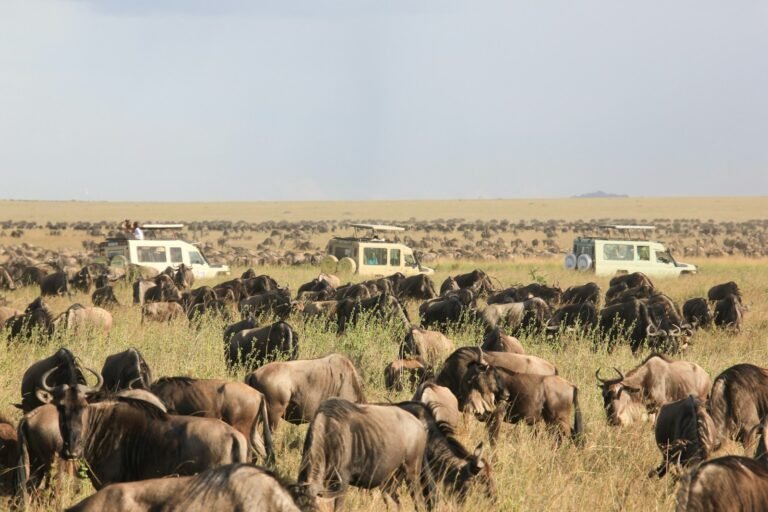
From July to October the herds pile up on the banks in the far north, hesitate, and then commit all at once into water holding very large crocodiles. There is nothing else quite like it in African wildlife.
03
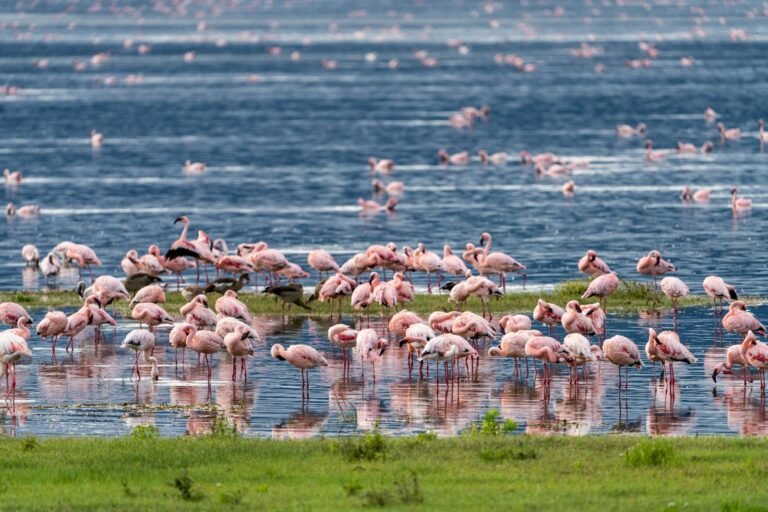
Around Ndutu, on volcanic soil too shallow for trees to take hold. In February this is the calving ground, and the hunting is so easy that predators barely have to work.
04
Granite islands standing out of the grass, with Maasai rock paintings, a gong rock that rings when it is struck, and the small black rhino population the park guards most closely.
Out at first light and again for the last two hours of it. A private vehicle means you stay with a sighting instead of leaving on somebody else's timetable.
An hour over the plains at dawn from Seronera, the western corridor or Kogatende, then breakfast under a tree. Book it early in high season; the baskets fill.
A vehicle with a row of seats removed, beanbags on the sills, charging on board, and a guide who will hold a position for the light rather than the schedule.
Coffee at the vehicle before six, then a cooked breakfast laid out on the plains once the light goes hard. Better than driving back to camp for it.

Ngorongoro · Serengeti

Lake Manyara · Ngorongoro · Serengeti · Tarangire
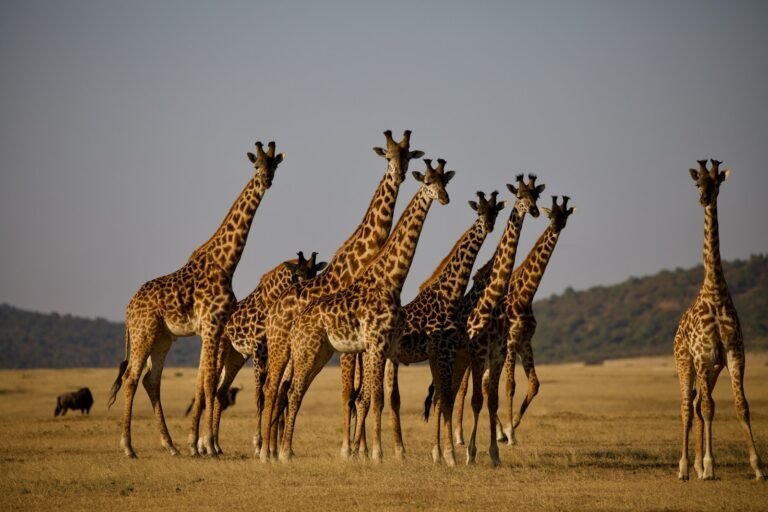
Lake Manyara · Ngorongoro · Serengeti · Tarangire
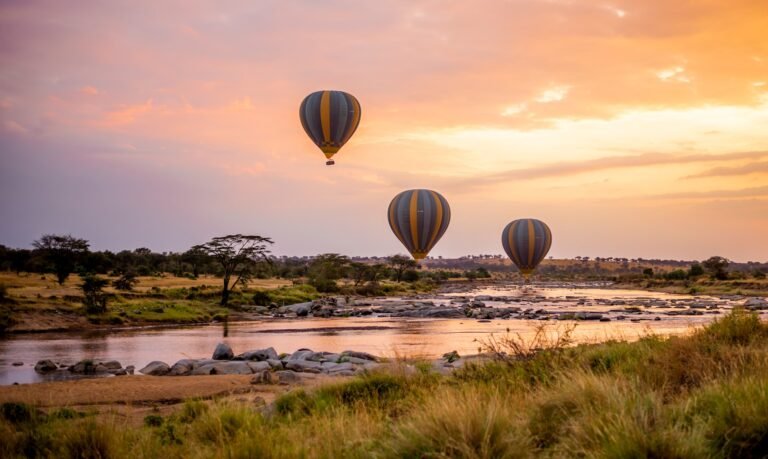
Ngorongoro · Serengeti
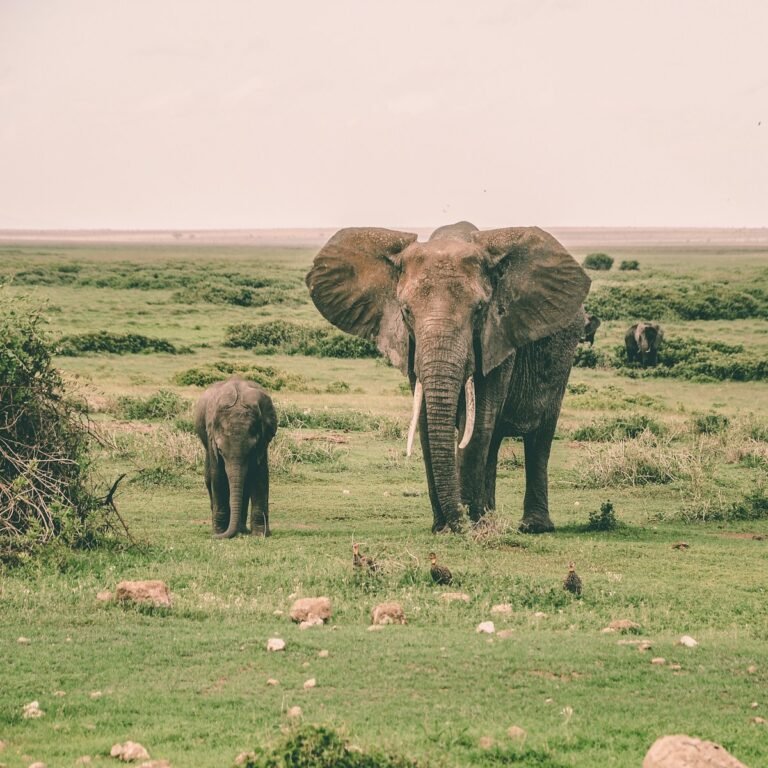
Lake Manyara · Serengeti · Tarangire
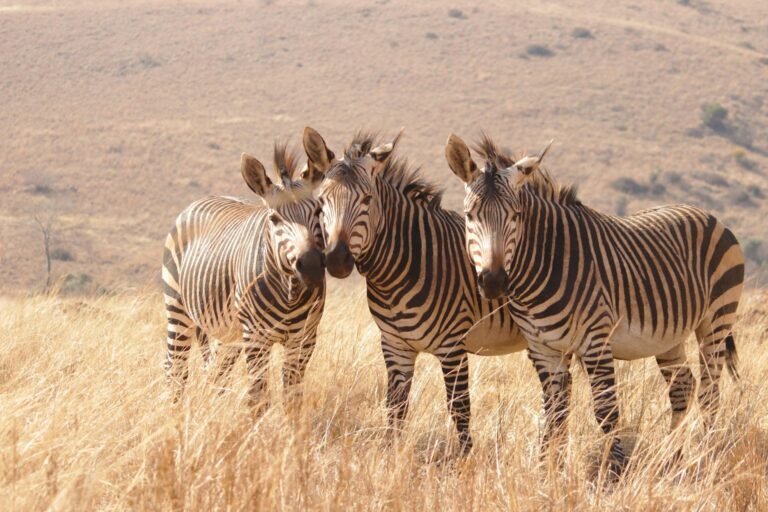
Lake Manyara · Ngorongoro · Serengeti · Tarangire
Arusha · Ngorongoro · Serengeti · Tarangire
Ngorongoro · Serengeti · Tarangire
Lake Manyara · Ngorongoro · Serengeti · Tarangire

Ngorongoro · Serengeti · Zanzibar
Arusha · Lake Manyara · Ngorongoro · Serengeti · Tarangire
Ngorongoro · Serengeti
Arusha · Lake Manyara · Ngorongoro · Serengeti · Tarangire · Zanzibar

Ngorongoro · Serengeti · Zanzibar