
January or February: what changes?
January and February often fall between northern Tanzania’s short and long rains. This makes them useful months for combining safari with the coast, without promising uninterrupted dry weather. Zanzibar is hot and humid, so think about how you tolerate heat as well as how many sunny photographs you hope to take.
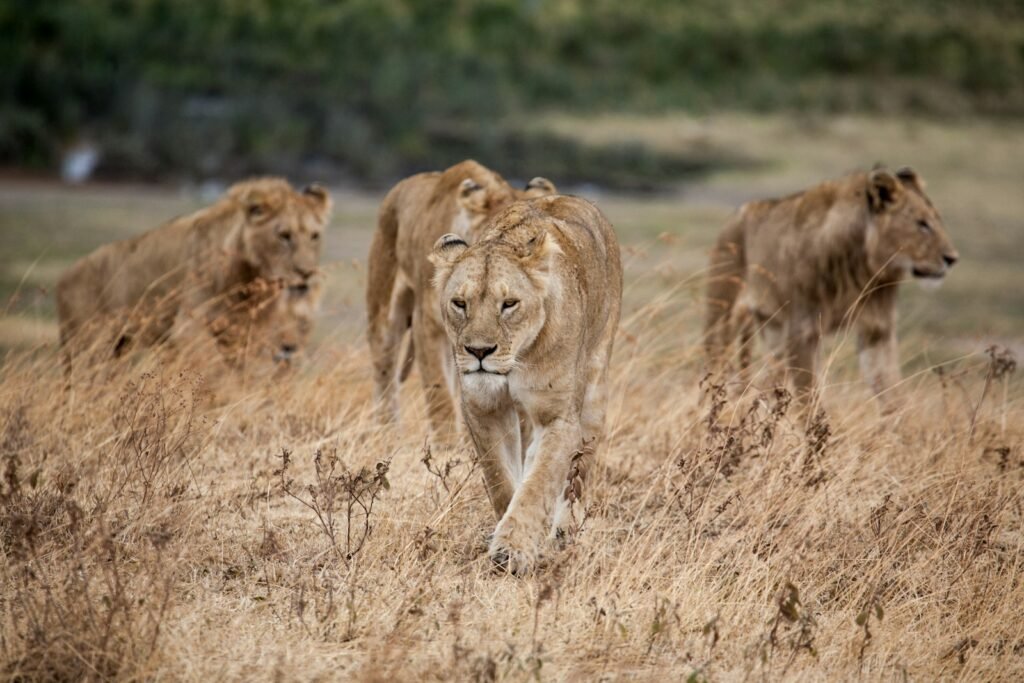
For a calving priority, late January and February commonly draw attention to Ndutu and the southern plains. The precise timing and location depend on rainfall and grazing. January can suit an earlier holiday; February can suit travelers specifically interested in the usual calving period. Neither date choice removes the need for a well-positioned camp and enough time.
Read the seasonal guide alongside your available dates rather than searching for a universally perfect week.
Choose your safari focus before counting parks
For a short combined holiday, decide whether the main safari aim is calving, broad wildlife viewing or a first visit to several landscapes. A focused Serengeti stay offers a different rhythm from combining a crater visit with Ndutu. Both can work; repeatedly changing camps simply to add park names reduces time in the field.
Calving interest
Ask about southern plains positioning and allow several nights near Ndutu.
Resident wildlife
Central Serengeti is a worthwhile focus or complement, not a consolation choice.
Landscape variety
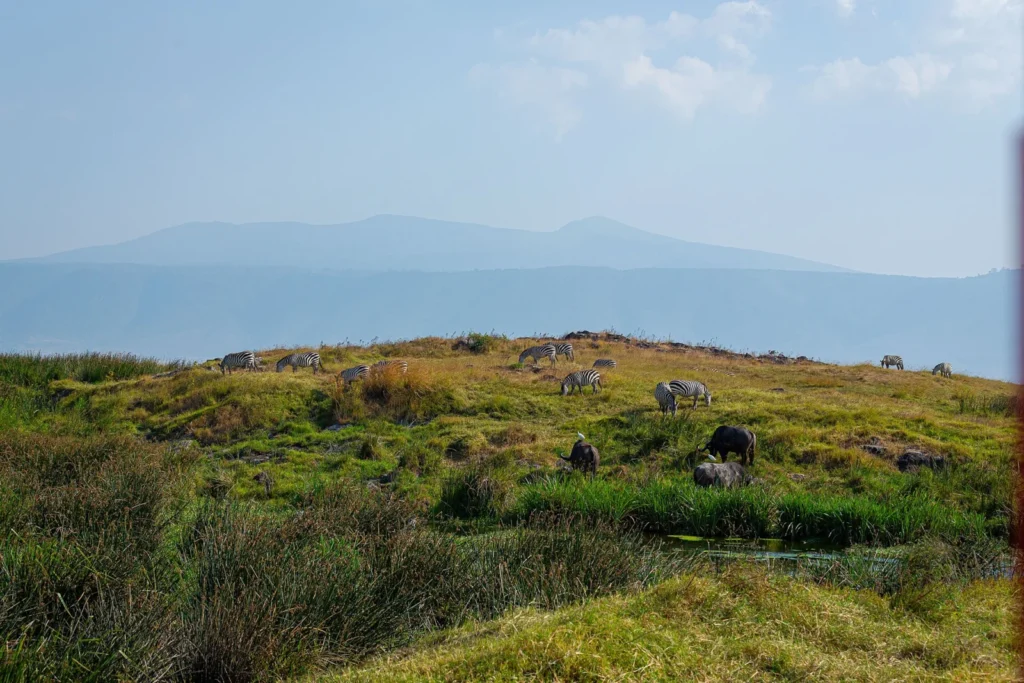
A crater visit adds a different setting but also transfers and highland accommodation.
Beach priority
Keep fewer safari stops if the island is an equal reason for traveling.
Our safari duration guide explains why a night count is more revealing than a long destination list.
A realistic ten-day safari and beach example
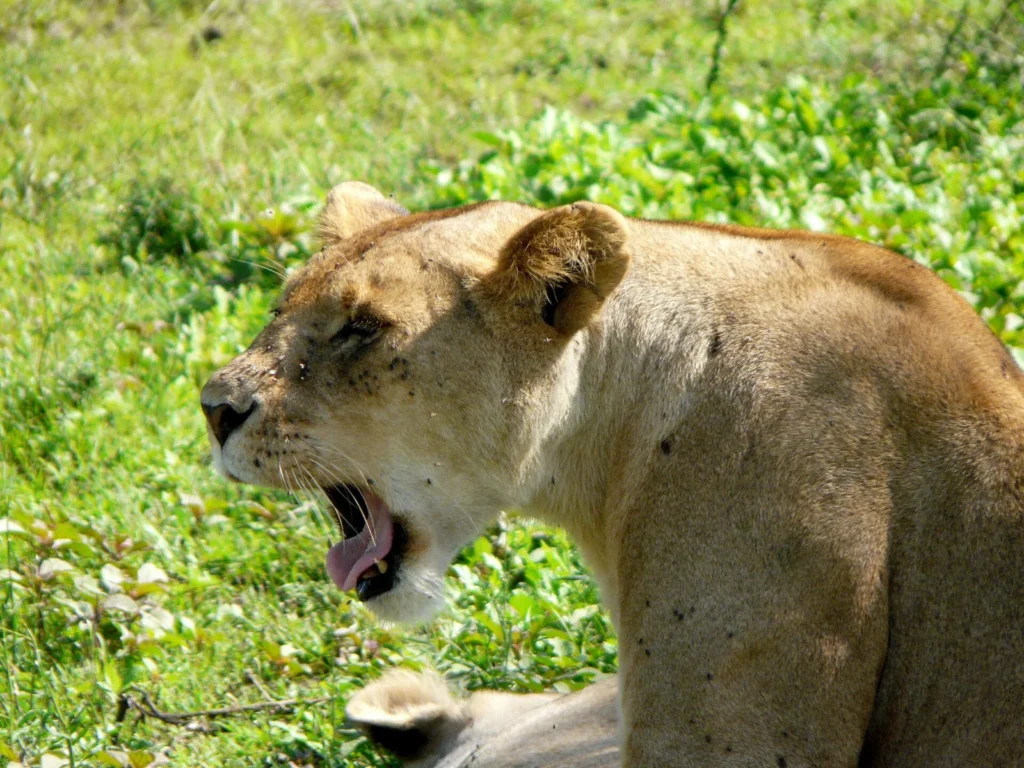
This example gives a concentrated Serengeti safari and three full beach days. It uses domestic flights to reduce road travel and assumes flight services and camp transfers fit your dates. The itinerary contains nine nights, from arrival on day one to departure on day ten.
| Day | Plan | Overnight |
|---|---|---|
| 1 | International arrival; airport pickup and rest | Arusha |
| 2 | Transfer to the domestic airport; fly to Serengeti; camp transfer with viewing as time allows | Serengeti |
| 3–4 | Two full safari days from the same camp | Serengeti |
| 5 | Camp-to-airstrip transfer; flight to Zanzibar; beach-hotel transfer | Zanzibar |
| 6–8 | Three full days for beach time and optional activities | Zanzibar |
| 9 | Transfer to Stone Town; an afternoon visit at your own pace | Stone Town |
| 10 | Airport transfer and international departure | None |
The camp could focus on central Serengeti or the southern ecosystem depending on your priorities, suitable flights and confirmed location. This version leaves out Ngorongoro. Adding it requires a different plan rather than quietly squeezing it into a flight day.
A fourteen-day plan with a broader safari
Fourteen days allows seven mainland nights and six island nights. This example includes road travel through the highlands, a crater visit, three Ndutu nights and two central Serengeti nights. It remains conditional on flight schedules and the chosen camp locations.
| Day | Plan | Overnight |
|---|---|---|
| 1 | International arrival and pickup | Arusha |
| 2 | Road transfer to Ngorongoro highlands; a relaxed afternoon | Highlands |
| 3 | Crater visit, then transfer to Ndutu if conditions and timing permit | Ndutu |
| 4–5 | Two full days exploring from Ndutu | Ndutu |
| 6 | Transfer with wildlife viewing toward central Serengeti | Central Serengeti |
| 7 | Full central Serengeti safari day | Central Serengeti |
| 8 | Airstrip transfer; fly to Zanzibar; hotel transfer | Zanzibar |
| 9–12 | Four full island days at one beach base | Zanzibar |
| 13 | Beach time or optional Stone Town visit, timed around travel | Zanzibar |
| 14 | Hotel-to-airport transfer and departure | None |
Day three is an active travel day, not a full crater day plus a full Ndutu safari. If your camp position, road conditions or preferred pace makes that combination unsuitable, add another highlands night and adjust the island allocation or extend the trip.
Road safari, fly-in safari or a combination?
Road travel can connect the highlands and southern plains while keeping one vehicle and guide through much of the safari. It also takes time on uneven roads. Flying can be worthwhile when the holiday is short, but adds airstrip transfers, timetable constraints and carrier-specific baggage rules.
Ten-day approach
A fly-in stay in one safari area keeps the arithmetic manageable. Spend on time in that area before adding a second mainland stop.
Fourteen-day approach
A road journey into the southern ecosystem followed by a flight to Zanzibar can reduce backtracking, if the operating schedule supports it.
The northern circuit and Zanzibar itinerary is a discussion starting point. Ask for a January or February version with the arrival, airstrips and room nights written explicitly.
Make the Zanzibar days feel like a holiday
Keep a single beach base for most of your island stay. Moving hotels can consume much of a morning and creates another round of packing. Choose the coast and property according to your swimming expectations, desired atmosphere and interest in excursions.
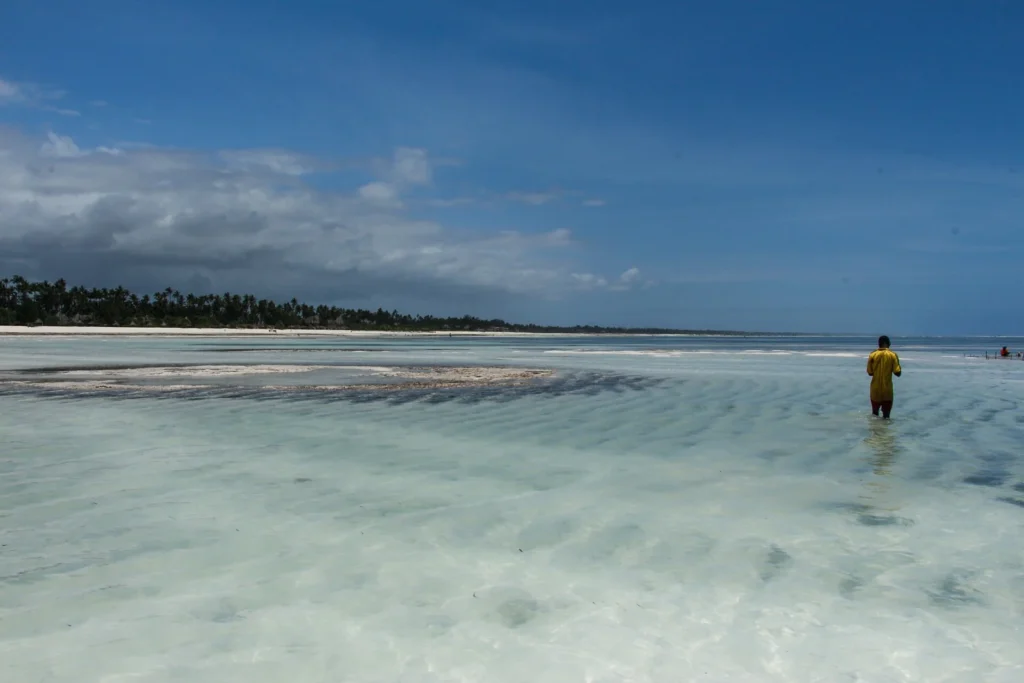
Tides differ by location, and wind or sea conditions can alter boat trips. Ask how the beach behaves at the particular property, rather than treating the island as one uniform shoreline. Book an optional excursion early enough in the stay to preserve some flexibility, and leave other days open.
Explore Zanzibar for the broader choice of beach and cultural experiences. A Stone Town overnight can be rewarding, but it should have a clear place in the route.
Check the details that change the timetable
- Flight routing: Confirm operating days, possible intermediate stops and the correct safari airstrip.
- Luggage: Use the booked carrier’s current allowance and dimensions; ask where surplus bags can be stored.
- Connections: Check whether separate tickets require collecting bags, changing terminals or an overnight.
- Rooms: Confirm every night, board basis and the transfer included at each end.
The sample itineraries assume an international departure from Zanzibar. If you must leave from Kilimanjaro or Dar es Salaam, include the positioning flight and an appropriate connection margin. Consult the flight planning guide before buying tickets, and recheck entry and insurance requirements through official channels.
Use your budget to protect useful time
January and February are not automatically bargain months. Ndutu’s calving appeal can create strong demand, while the total also depends on camp category, vehicle arrangements, flights and room occupancy. Request a complete quote rather than assuming a short safari means a low overall cost.
Ask for a plan you can compare
- State whether ten or fourteen days includes your international flight dates.
- Rank safari, calving interest, beach time and comfort in order of importance.
- Request the exact camp locations, all thirteen or nine room nights, and each transfer.
- Compare inclusions and change terms before selecting the route.
Use the packing guide for safari layers, then add light beach clothing while keeping within your confirmed flight allowance.
Common questions
Is ten days enough for safari and Zanzibar?
Yes, for a focused trip. The ten-day example includes three safari nights and five island nights, one of them in Stone Town. Arrival and departure are included, so it avoids an extensive mainland circuit.
Is February better than January for Ndutu?
February commonly aligns with concentrated calving, but timing varies. Camp positioning and multiple nights matter alongside the month. Late January may also suit a calving-focused plan.
Can we guarantee swimming every day in Zanzibar?
No. Tides, local conditions and weather affect swimming and sea activities. Choose a property suited to your preferences and follow local advice about safe conditions.
Do the examples include international flight time?
They count the in-country arrival and departure days. Overnight flights before arrival or after departure may use additional calendar days in your home country; check the full ticket itinerary.
Balance the safari with genuine beach time
Choose the shortest route that serves your main interests, then protect the transfer days. Share your dates and preferred trip length through the enquiry form for a plan with accommodation nights and flights clearly matched.
Sources and planning notes
Reviewed for the November 2026 to April 2027 travel season. Seasonal patterns are guidance, not a forecast. Confirm current conditions, availability and travel requirements before booking.
- Ndutu Safari Lodge: migration and calving context
- SafariBookings: Serengeti seasonal climate
- SafariBookings: Zanzibar seasonal climate
Image credits
- Ndutu 2 (36) (14145986662).jpg — xorge / Wikimedia Commons · CC BY-SA 2.0. Resized to WebP; display crop may apply.
- Landscape with zebras and buffalos in ngorongoro crater.jpg — Rasheedhrasheed / Wikimedia Commons · CC BY-SA 4.0. Resized to WebP; display crop may apply.
- Zanzibar beach (33911916866).jpg — Mussi Katz from Israel / Wikimedia Commons · Public domain. Resized to WebP; display crop may apply.