Ngorongoro Conservation Area

Ngorongoro Conservation Area

Size
Crater floor 260 km², walls 610 m deep
Best time
Year-round; June to October is driest
Getting there
3–4 hours by road from Arusha
Location
Ngorongoro Conservation Area

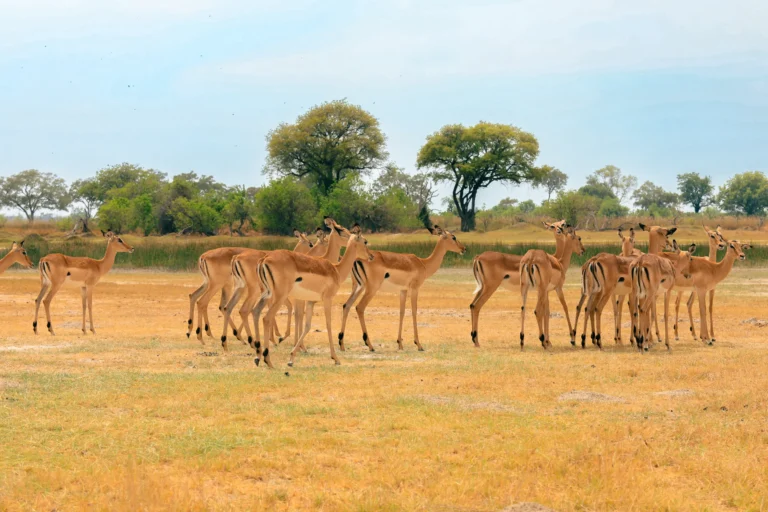
A Ngorongoro Crater safari is the one day on the northern circuit that consistently outperforms its own reputation. The crater is a collapsed volcanic caldera 610 metres deep with a floor covering 260 square kilometres, and because the walls hold most of its wildlife in year-round, it delivers a density of animals nothing else in Tanzania matches.

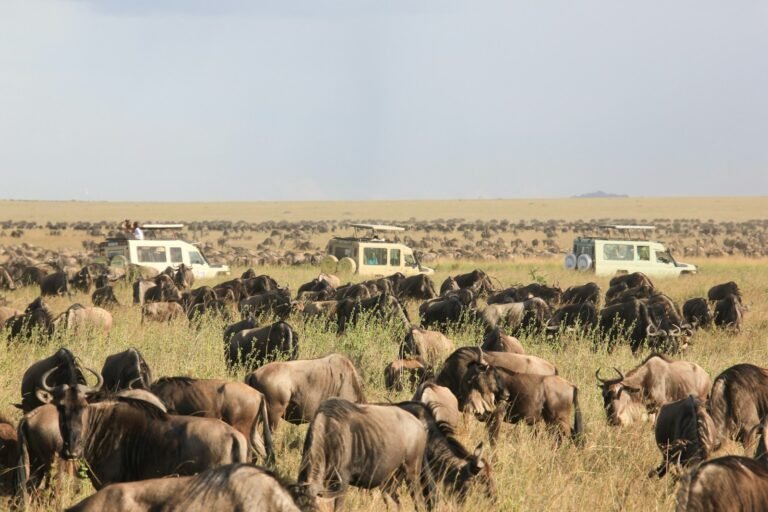
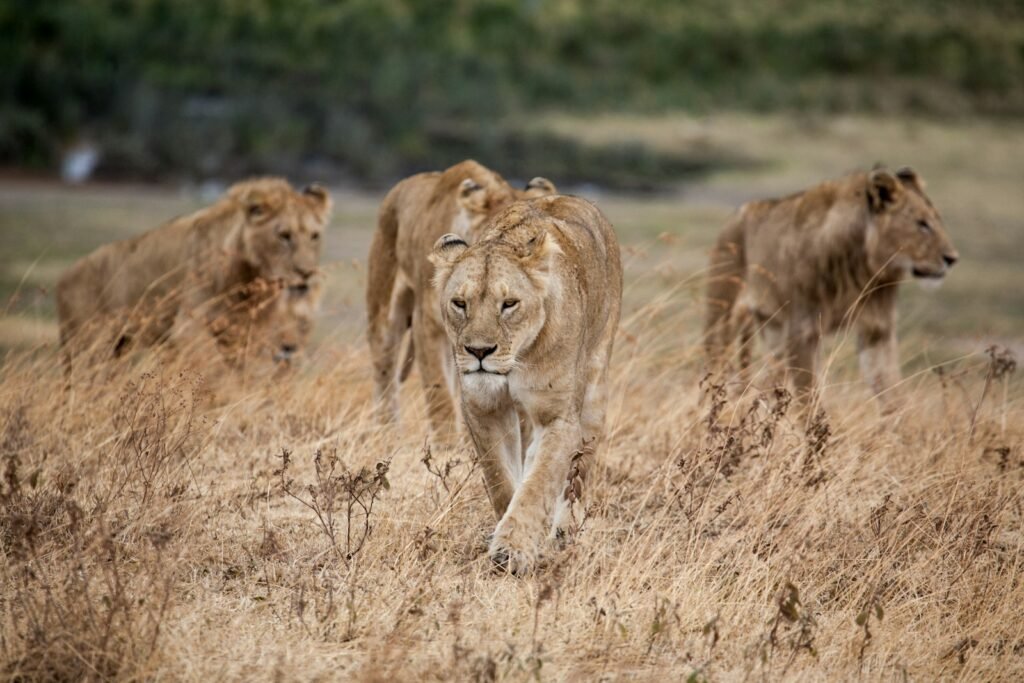
The Big Five are all present, and the crater is one of the few places in the country where a black rhino sighting is a realistic expectation rather than a lucky break. Lion prides here are large and unbothered by vehicles, and the Lerai forest and Ngoitokitok springs concentrate game tightly enough that a single morning descent can show you more than two days elsewhere.

Ngorongoro is also more than the crater. The conservation area is the one place in Tanzania where wildlife, Maasai pastoralists and their cattle legally share the same land, and the highlands above the rim hold Empakaai and Olmoti craters, both walkable. We usually sleep on the rim and descend early, because the crater floor gets busy by mid-morning.

How to get there

  • By road3 to 4 hours from Arusha on good tarmac as far as Karatu, then climbing to the rim. Most itineraries arrive in the afternoon and descend the following morning.
  • On the way throughAlmost every Serengeti overland transfer crosses the conservation area, so the crater slots in without a detour.

Best time to visitYear-round; June to October is driest

Attractions

The crater floor

Two hundred and sixty square kilometres of grassland, swamp and soda lake, ringed by walls that most of the resident game never bothers to leave. The concentration is the whole point.

Black rhino

One of the few remaining places in Tanzania where seeing one is a reasonable expectation. They favour the open ground near the Lerai forest in the early morning.

The Ngoitokitok springs

A spring-fed pool on the eastern floor with resident hippo, and the picnic site where most crater days pause. Watch the kites; they are practised thieves.

Empakaai and Olmoti craters

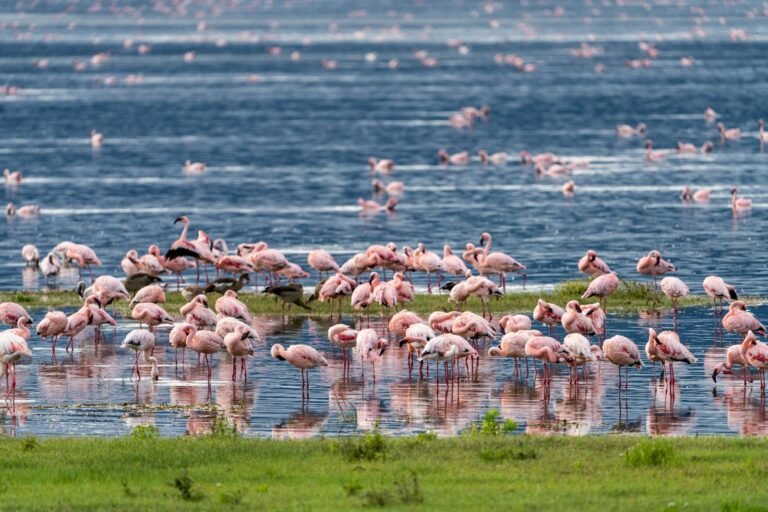
Smaller calderas up in the highlands, both walkable with a ranger. Empakaai's floor holds a soda lake that flamingos use, and the rim gives you Ol Doinyo Lengai on a clear day.

Activities

Crater descent

A half or full day on the floor. Descents are timed and permits are per-vehicle per-day, so an early start buys both better light and fewer vehicles.

Highlands walking

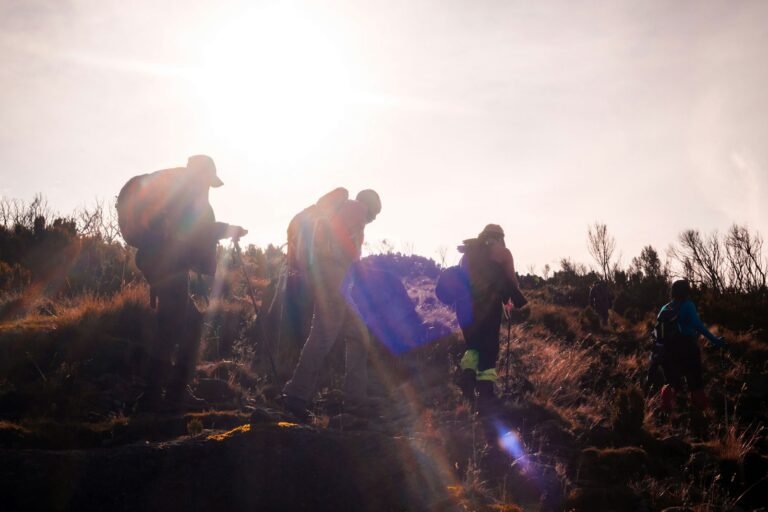
Guided walks to Empakaai or Olmoti with an armed ranger, which is the only way to see this landscape on foot.

Maasai cultural visit

A visit arranged directly with a boma rather than through a staged roadside operation. We will tell you honestly what it is and is not.