
Kilimanjaro in January or February: the practical comparison
The Tanzania tourism authority identifies both January and February among popular climbing months. That supports considering either, rather than declaring a universal winner. Weather patterns overlap, and a trip crossing the end of January can experience the same range of conditions as one starting in early February.
| Decision | January | February |
|---|---|---|
| Seasonal context | Often between rainy periods; early dates can still be unsettled | Often between rainy periods; rain and snow remain possible |
| Travel planning | Check flights and accommodation around New Year dates | Check your preferred departure and route availability |
| Preparation | Choose if you can train and organize gear in time | Useful if the later date allows better preparation |
| Main priority | A suitable ascent profile and enough mountain days | The same: month does not replace acclimatization |
For broader patterns, read the Kilimanjaro weather guide. Use a near-departure forecast for immediate preparation, not a seasonal article as a forecast.
Prepare for several climates on one climb
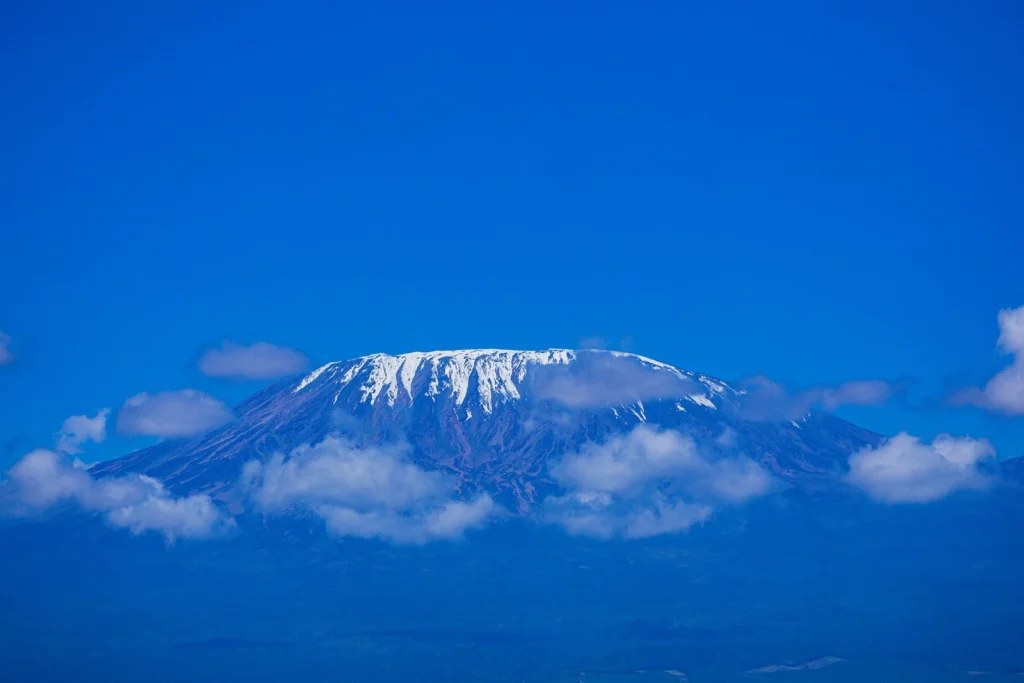
A route passes through very different environments, from the forest to exposed high ground. Warm conditions at the hotel do not describe the summit. Rain can make lower trails muddy or slippery, while wind, cloud, snow or ice can affect higher sections. Summit night remains extremely cold even during a generally favorable month.
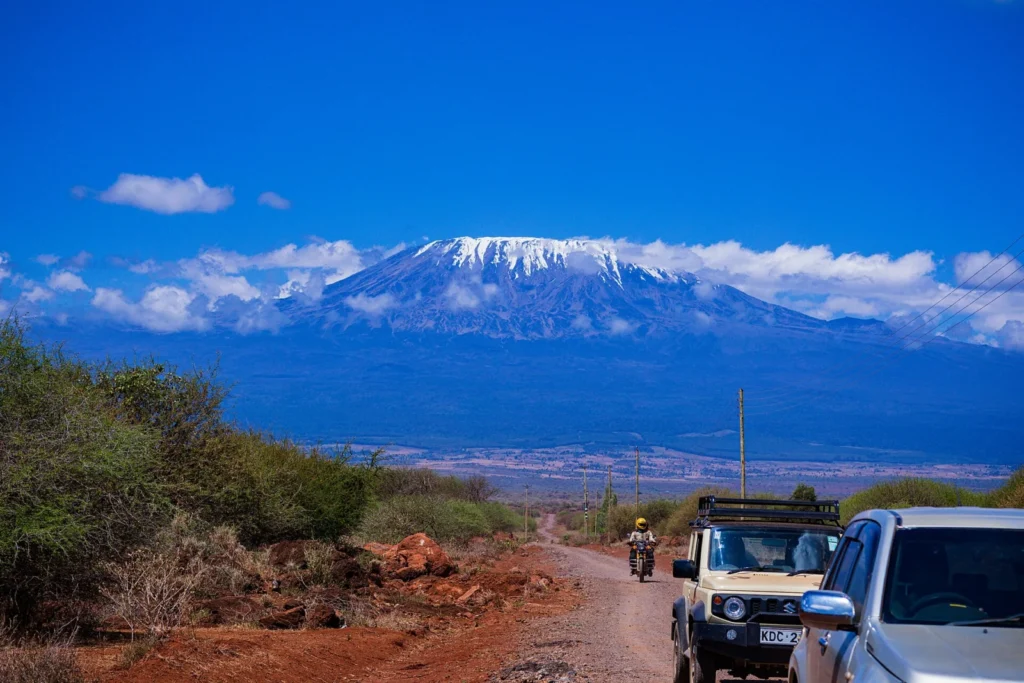
A clear morning view of Kibo from town is also not a promise about the following week. Pack for the range of conditions your guide describes and confirm the equipment needed for the actual itinerary. Neither January nor February justifies leaving insulation or waterproof protection behind.
Make acclimatization the central decision
Altitude is a major challenge on Kilimanjaro. Fitness helps with walking and recovery, but it does not remove the need to acclimatize. Compare the daily ascent and sleeping locations, not just the route name or a claim that a trail is easy.
A longer itinerary can offer more time to adjust, although no duration guarantees a summit. Discuss the plan with the operator and speak with a qualified clinician about your personal suitability for high-altitude travel, especially if you have a relevant medical history. Share health concerns honestly with your guide.
During the climb, report how you feel and follow the guide’s safety decisions. Reaching a particular camp or summit must not become more important than responding appropriately to illness or changing conditions. The climbing guide provides a broader preparation framework.
Compare routes that fit your available days
Back 2 Nature offers routes with different approaches and durations. Begin with the actual itineraries, then ask the team to explain their ascent profiles and how they fit your experience. Do not shorten the mountain portion simply to add another destination afterward.
Eight-day Lemosho
An option to examine when you can allow eight mountain days and want more time in the ascent plan.
Seven-day Machame
A camping itinerary to compare carefully for daily walking demands and sleeping locations.
Seven-day Rongai
A northern approach that provides a different route experience; check the complete ascent and descent plan.
Your available time
Include hotel nights, equipment checks, gate transfers and recovery as well as the advertised climb days.
Review the eight-day Lemosho, seven-day Machame and seven-day Rongai itineraries. Compare these using the route guide, rather than assuming the same month makes every route equally suitable.
Count the whole trip, not only mountain days
An eight-day climb is not normally an eight-day international holiday. Allow a hotel stay before the climb for rest, the briefing and a gear check. If you arrive late or need another full day to organize equipment, allow two pre-climb nights rather than depending on the arrival evening.
For an illustrative twelve-day plan, arrive on day one and use day two for the briefing and preparation. Climb on days three to ten, returning to a hotel on day ten. Rest on day eleven and depart on day twelve. This contains eight mountain days, two pre-climb hotel nights and two hotel nights after the descent.
Flights can add calendar days outside Tanzania. Build in more recovery if you plan a safari, and keep a fixed onward departure from pressuring the mountain schedule.
Pack for wet lower slopes and a cold summit
Ask for an equipment review before buying expensive items. Boots should be broken in, while layers need to work together rather than simply fill the bag. Confirm what the operator supplies, what can be hired and what you must bring yourself.
- Warmth: Check the sleeping system, insulated clothing, gloves and head protection against the operator’s mountain requirements.
- Rain protection: Bring appropriate waterproof layers and protect the contents of bags.
- Daily access: Keep essentials, snacks and useful layers accessible in the daypack.
- Transport: Confirm bag arrangements for mountain support and any later domestic flight.
Use the Kilimanjaro packing list as a checklist for the briefing, including items that require an individual fit. A good January or February booking still needs complete mountain equipment.
Let training and travel shape your month
If January leaves you rushing from a busy holiday period into an untested pair of boots, February may be the more practical choice. If your preparation is already established and January fits your work and travel plans, there is no need to wait solely because another traveler prefers February.
Build a sustainable preparation routine with walking, hills where available and time carrying the daypack you expect to use. Try your clothing in conditions you can access, and practice packing so essentials stay reachable. Ask the operator about the demands of the chosen itinerary rather than adopting a generic training target.
Travel with a realistic attitude toward the summit. A well-run trip includes the ability to change course when necessary.
Ask useful questions before choosing a departure
Compare the climb as a complete service
- Request the route’s daily plan, sleeping locations and included mountain days.
- Ask about guide arrangements, daily monitoring, communication and emergency procedures.
- Confirm equipment inclusions, hotel nights, gate transfers and any costs outside the quote.
- Explain your experience, preparation time and plans after the climb so the team can advise on pacing.
Also check current entry requirements and that your insurance covers the actual altitude and activities planned. Read the policy terms directly. A package label cannot establish what your personal policy includes, and requirements should be rechecked before departure.
Common questions
Is February definitely drier than January on Kilimanjaro?
No. Both are popular seasonal choices, but conditions vary by year, elevation and day. Neither month guarantees dry trails, clear summit views or an uninterrupted climbing schedule.
Does an eight-day route guarantee better acclimatization?
More time can provide additional opportunity to adjust, but the actual ascent profile and individual response matter. No route length guarantees a summit or freedom from altitude illness.
Is Rongai automatically best in these months?
No. A northern approach may appeal for its route character, but suitability depends on the full itinerary, available days and your needs. Compare it with Lemosho and Machame before choosing.
Can I add a safari immediately after the descent?
It can be arranged, but allow recovery time and sensible hotel nights. Avoid a tight schedule that makes an early departure feel compulsory if the climb or your recovery needs change.
Choose the itinerary you can prepare for well
Use the month to narrow your dates, then focus on route length, preparation and the support behind the climb. Send your available dates and experience through the enquiry form to discuss a suitable January or February plan.
Sources and planning notes
Reviewed for the November 2026 to April 2027 travel season. Seasonal patterns are guidance, not a forecast. Confirm current conditions, availability and travel requirements before booking.
- Tanzania tourism authority: Kilimanjaro seasons and routes
- CDC Travelers’ Health: high-altitude travel and gradual ascent
Image credits
- Mount Kilimanjaro Dormant Volcano In United Republic Of Tanzania kibo Mawenzi Shira Highest Peaks-131.jpg — Antony Trivet / Wikimedia Commons · CC BY-SA 4.0. Resized to WebP; display crop may apply.
- Mount Kilimanjaro Dormant Volcano In United Republic Of Tanzania kibo Mawenzi Shira Highest Peaks-164.jpg — Antony Trivet / Wikimedia Commons · CC BY-SA 4.0. Resized to WebP; display crop may apply.