
Two different experiences
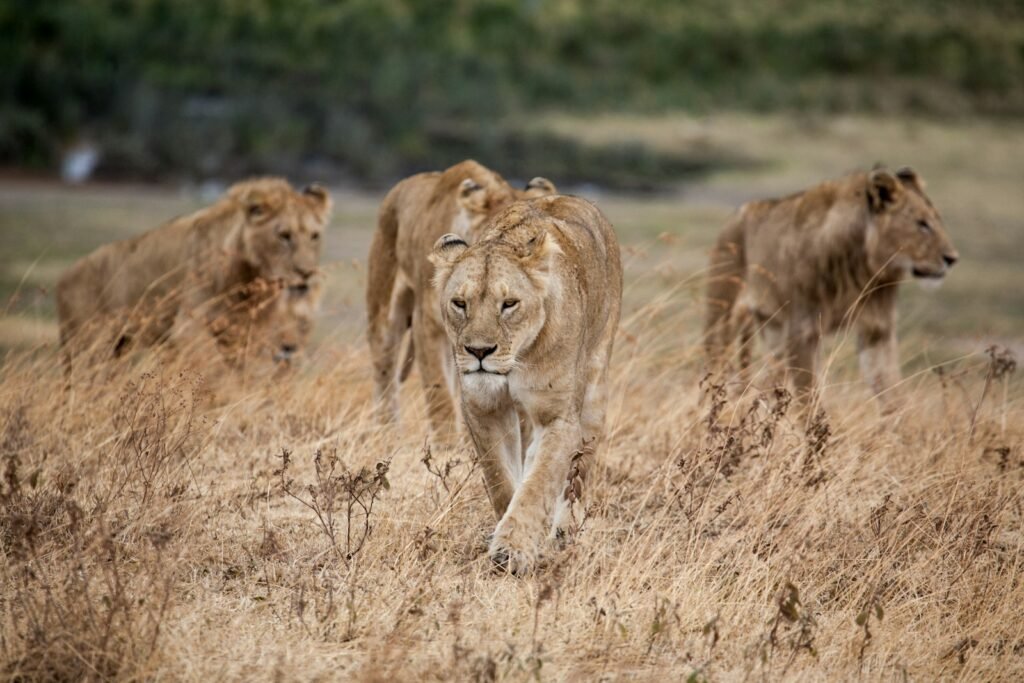
“Better” depends on the safari you want. A sweeping landscape explored over several days feels different from a crater visit with a clearer geographical focus. Begin with those differences before comparing individual animal wish lists.
Serengeti
Serengeti National Park suits travellers who want room to explore and time to return to wildlife areas.
- Broad landscapes and changing viewing opportunities.
- Scope for a route shaped around seasonal animal movement.
- A strong reason to stay multiple nights in an appropriate area.
Ngorongoro
The crater is one part of the wider Ngorongoro Conservation Area. Be clear about which experience your itinerary includes.
- A distinctive caldera landscape.
- A more concentrated area for a crater game drive.
- A different setting to complement a longer plains safari.
Compare the details
Compare what you will actually do, where you will sleep and how you will get there. A park name alone cannot tell you how much wildlife time a route delivers.
| Planning point | Serengeti | Ngorongoro Crater |
|---|---|---|
| Landscape | Expansive plains and varied habitats | A caldera setting with a more compact viewing area |
| Safari pace | Exploration over successive days | A focused crater visit within a wider route |
| Overnight choice | Location matters for the area you explore | Location matters for crater access and onward travel |
| Best fit | A longer wildlife-focused journey | A distinctive experience on a northern route |
The comparison concerns Serengeti and the crater experience, not every activity in the wider conservation area. Ask your operator to distinguish a crater descent, a highlands stay and other proposed activities.
Allow enough time
Itinerary lengths below are planning starting points, not fixed requirements. Your arrival airport, overnight locations and transfer choices affect what fits comfortably. Separate park time from travel and ask for a day-by-day outline.
- 3–4 days
- Keep the route focusedConsider a compact northern itinerary. Discuss whether reaching Serengeti would leave enough time for the experience you want.
- 5–7 days
- Consider both settingsA combined route becomes easier to discuss when you can allow multiple nights for Serengeti and account for the crater visit.
- 8–10 days
- Create a slower journeyUse extra time for a longer Serengeti stay, carefully chosen additional stops or fewer rushed transitions between destinations.
Do not assume every advertised safari day is a full game-drive day. A morning departure, road journey and camp arrival may share the same date. The useful question is how much time remains for wildlife observation.
Match your interests
These four priorities can help you choose one destination or decide how much time to give each.
Landscape
Choose Serengeti if the sense of space is central to your trip. Choose the crater if the caldera scenery is the experience you most want to see.
Wildlife focus
Share your favourite species and interests with your guide. Both settings offer wildlife opportunities, but the presence of animals does not promise a sighting on your visit.
Seasonal movement
If migration is a priority, discuss the appropriate Serengeti area for your dates. Start with the best time to visit guide; animal movement remains variable.
Travel comfort
Consider tolerance for road transfers and changing accommodation. A geographically ambitious itinerary can feel rushed even when every destination is appealing.
Combine both comfortably
Combining Serengeti and Ngorongoro can work well when the journey itself has enough room. Avoid choosing a route solely because it includes both names. Look for accommodation locations that support the planned drives and sensible transitions between stops.
Use the eight-day Serengeti and Ngorongoro itinerary as a starting point for comparison. Ask which parts would change for your dates, interests and available days rather than assuming one published route fits every trip.
When time is limited, a more focused itinerary may be more satisfying than brief visits separated by long transfers.
- Choose the landscape or experience that matters most to you.
- Mark your arrival, departure and available safari days.
- Check camp locations, transfer estimates and proposed game drives.
- Confirm the crater activity, permits and other inclusions in the quote.
Tell us your priorities to plan a Serengeti and Ngorongoro safari.
Destination questions
Can I visit both on one safari?
Yes, they can form part of a northern Tanzania route. Whether the combination fits comfortably depends on your available days, overnight locations and transport arrangements.
Is Ngorongoro the same as the crater?
No. The crater is within the wider Ngorongoro Conservation Area. Check whether a proposed itinerary includes a crater visit, time in the highlands or other activities.
Which should I choose for migration?
Discuss a Serengeti route tailored to your travel dates if migration is your main priority. Herd movements vary, and a particular event or crossing cannot be guaranteed.
Which is better for a short trip?
A focused crater-based northern route may be easier to consider when time is limited. Compare the actual transfers from your starting point before choosing.