
Who should choose a Tanzania safari in April?
April asks a straightforward question: would the trip still feel worthwhile if rain shortened a game drive or your guide changed the day’s route? If you can answer yes and enjoy observing a landscape rather than chasing a checklist, this season deserves consideration. If a disruption would spoil a once-only celebration, another month may be a better use of your budget.
A potentially good fit
Flexible travelers, repeat visitors and people comfortable spending unhurried time in one wildlife area.
A less comfortable fit
Travelers with a very short schedule, low tolerance for muddy transfers or a holiday built around a single weather-dependent activity.
Compare alternatives in our seasonal safari guide.
What the long rains mean for your day
April falls within Tanzania’s usual long-rains period. This is a seasonal description, not a forecast that every hour will be wet. Equally, you should not book on the assurance that rain only arrives briefly after lunch. Some spells can be sustained, and conditions differ across the country.
Wet weather can reduce visibility, change photographic opportunities and make certain tracks unsuitable. You may still have useful game-drive windows, but they cannot be allocated in advance. Cool conditions at altitude also matter: evenings around the Ngorongoro highlands can feel very different from a warm lowland afternoon. Carry layers and keep the day’s plan responsive to actual conditions.
Confirm access and camp operations individually
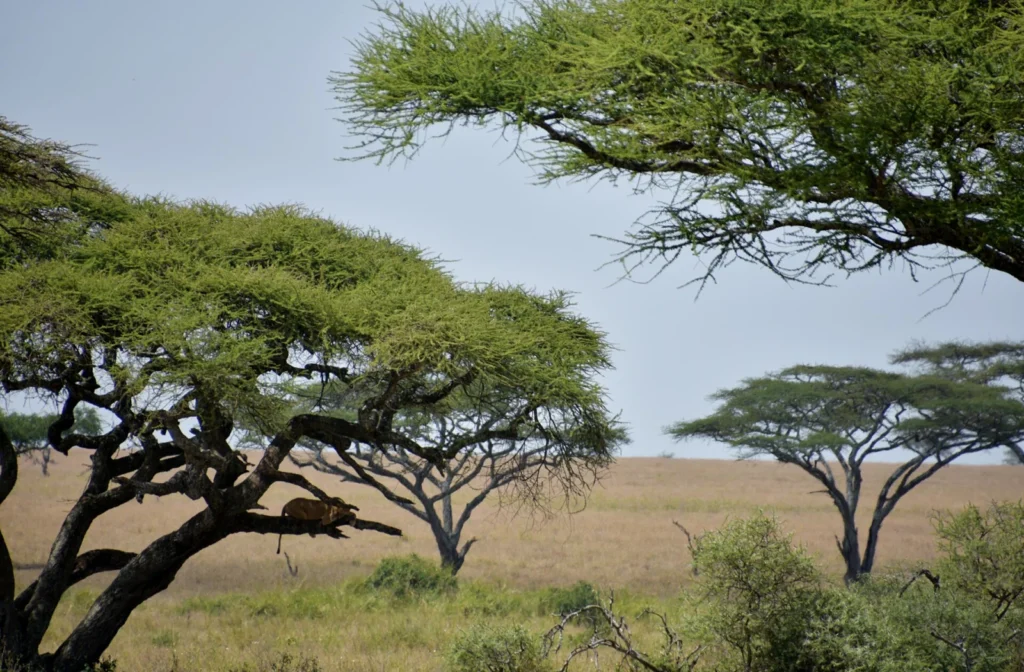
There is no universal April shutdown. Some accommodation operates, while some seasonal camps close or change their operating pattern. A booking needs the exact property and dates, rather than a broad statement that a region is open.
- Operating dates: Obtain confirmation for every overnight, including the nights around any seasonal closure.
- Last-mile access: Ask how the camp is reached from the main road or airstrip in wet conditions.
- Alternative arrangements: Clarify what happens if access becomes unsuitable and whether extra charges apply.
- Transfers: Check the practical road or flight connection instead of assuming flying removes every access issue.
Air travel may reduce a long overland journey, but a flight still needs a suitable operating airstrip and an onward transfer. Ask about the complete journey to camp.
What happens to wildlife during April?
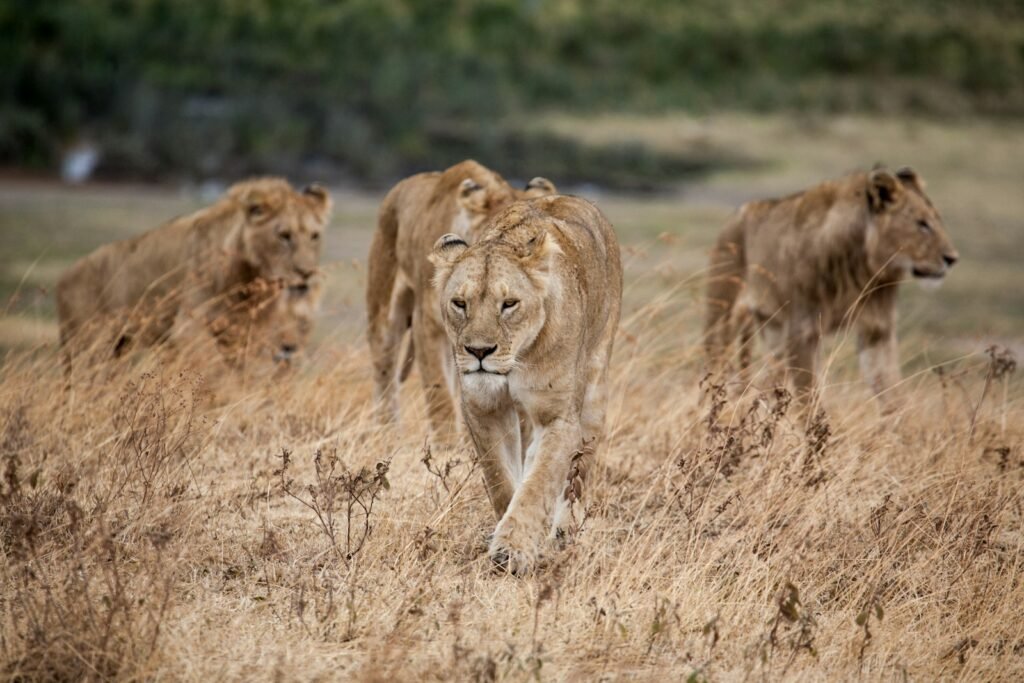
Animals do not disappear when it rains. Resident wildlife remains part of the Serengeti’s appeal, and a stay in a carefully chosen area can provide varied encounters. Taller vegetation, widespread water and changing access can affect where and how you search.
The migrating herds follow rain and grazing. Parts of the southern ecosystem may remain relevant, while movements toward other areas depend on that year’s conditions. Avoid buying an April itinerary that promises a fixed herd location or treats northern river crossings as the month’s standard attraction. Use the migration background guide to understand the overall cycle, then confirm the most sensible base for your dates.
Choose fewer areas with workable connections
| Area | Reason to consider it | Question before booking |
|---|---|---|
| Central Serengeti | Resident wildlife with scope for several nights in one base | Is the named camp open, and which transfers are practical? |
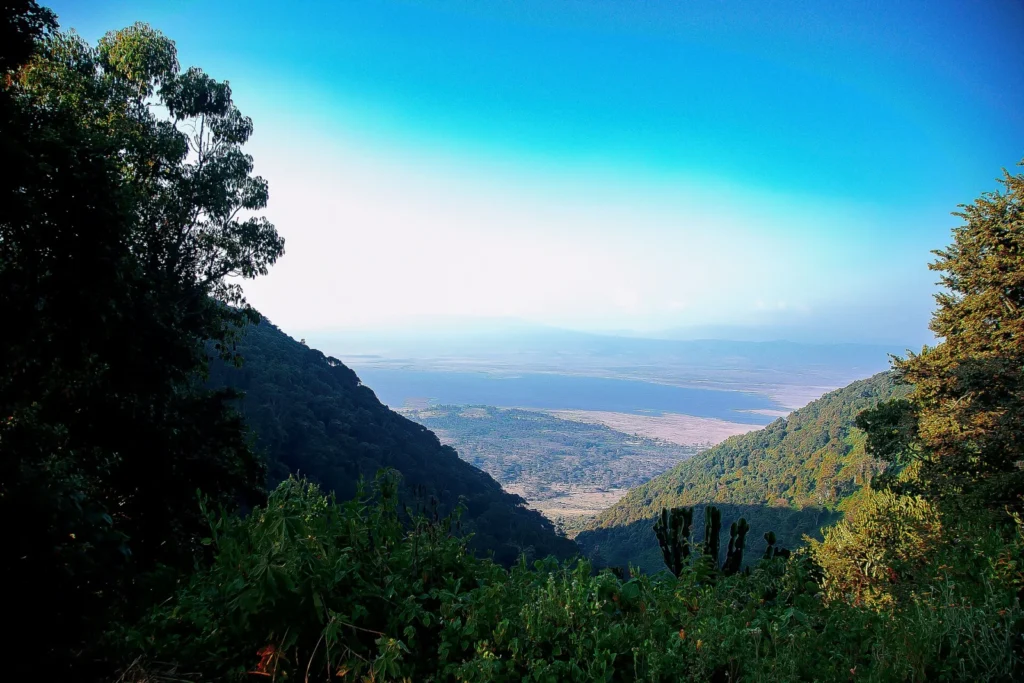
| Ngorongoro Crater | A different landscape and resident wildlife interest | How will the descent and highland approach fit wet conditions? |
| Southern plains and Ndutu | Potential seasonal herd interest | Do current wildlife information and operating camps justify the location? |
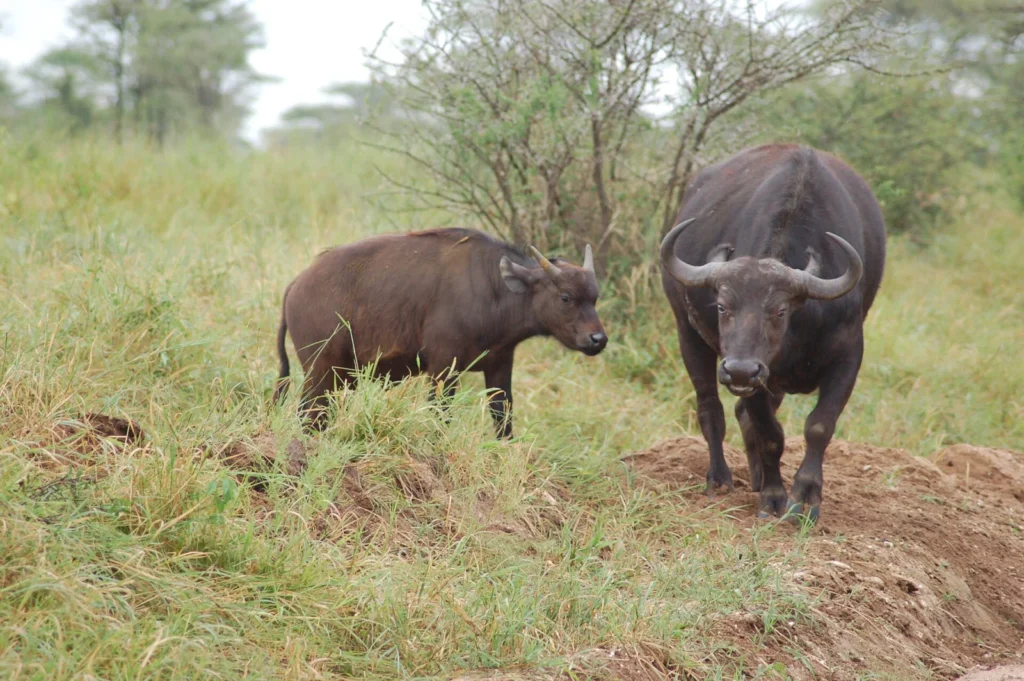
| Tarangire | Elephants, woodland and baobab scenery | Does the route suit wet-season wildlife dispersal and access? |
Ngorongoro can form part of a northern plan, but it should not be sold as weatherproof. Choose the connections and accommodation first, then decide whether an additional park earns its travel time.
Judge value beyond a lower room rate
April may bring attractive rates at particular properties, but a discount is not universal and should never be assumed. Some costs, including guiding, vehicle use and park-related charges, do not simply disappear because a room is cheaper. Compare written, complete quotations for the same travel dates.
Usable nights
Check that a lower rate buys accommodation suited to wet conditions.
Wildlife time
Avoid saving on rooms while adding exhausting transfers.
Contingencies
Understand the cost of changed routes or extra nights.
Your priorities
A bargain still needs to deliver the experience you value.
The Tanzania safari cost guide helps unpack the main quotation components.
Plan a conservative route and departure buffer
Consider eight calendar days rather than forcing the safari into a long weekend. Day one is arrival and an Arusha overnight. Day two takes you to a highland base. Day three allows the crater visit. Day four is a planned transfer to a suitable Serengeti camp, followed by two full wildlife days. Return toward Arusha on day seven and depart on day eight.
This is a framework to test against actual accommodation and access, not a fixed April recommendation. A flight may change the routing if its full logistics make sense. Review the five-day low-season safari with your planner, then account separately for arrival nights, connections and departure needs. Never count a transfer day as an automatic full wildlife day.
Pack and book for the season you are choosing
Bring waterproof protection, quick-drying layers and footwear with useful grip. Keep a dry change of clothes accessible and protect electronics inside your day bag. Highland mornings can be cold, so a rain jacket alone is insufficient. Use our safari packing list, and check the specific baggage conditions if your route includes small aircraft.
Before paying a deposit
- Confirm camp operations and the complete wet-weather access plan.
- Agree what changes the operator may make if conditions require them.
- Read cancellation, substitution and connection terms.
- Recheck current travel requirements and local conditions near departure.
If you need April 2027 dates, ask for an itinerary designed around those dates. Seasonal averages cannot establish the roads or weather you will actually encounter.
Common questions
Does it rain all day in April?
Not necessarily, but prolonged rain is possible. Avoid both assumptions: that the entire trip will be washed out, or that rain will always be a brief afternoon interruption. Build a route that tolerates change.
Are all safari camps closed in April?
No. Operations vary by property and location. Confirm the named camp, exact nights, access arrangements and any alternative accommodation before paying, rather than relying on a region-wide claim.
Is April always the cheapest safari month?
No. Rates vary, and a reduced accommodation rate does not guarantee a reduced total trip cost. Compare guiding, vehicles, park permissions, transfers and booking terms alongside room prices.
Would April suit a short first safari?
It can, but limited time leaves less room for disruption. If you have only a few wildlife days and little tolerance for changes, consider a different travel period or a simpler route with dependable operating arrangements.
Choose April with clear expectations
April can reward a patient, flexible approach, provided the actual camps and transfers support it. The right decision depends on your time, comfort needs and tolerance for changed plans as much as the quoted price. Send your dates and priorities to compare a practical long-rains itinerary with another seasonal option.
Sources and planning notes
Reviewed for the November 2026 to April 2027 travel season. Seasonal patterns are guidance, not a forecast. Confirm current conditions, availability and travel requirements before booking.
- Tanzania regional climate and long rains
- Serengeti seasonal rain patterns
- Tanzania Meteorological Authority current information
Image credits
- Serengeti landscape (5) (28631238305).jpg — Richard Mortel from Riyadh, Saudi Arabia / Wikimedia Commons · CC BY 2.0. Resized to WebP; display crop may apply.
- Serengeti, Tanzania (2337653558).jpg — Joachim Huber from Switzerland / Wikimedia Commons · CC BY-SA 2.0. Resized to WebP; display crop may apply.
- Natural Landscape of Ngorongoro Crater.jpg — Erasmus Kamugisha / Wikimedia Commons · CC BY-SA 4.0. Resized to WebP; display crop may apply.
- Landscape with zebras and buffalos in ngorongoro crater.jpg — Rasheedhrasheed / Wikimedia Commons · CC BY-SA 4.0. Resized to WebP; display crop may apply.