
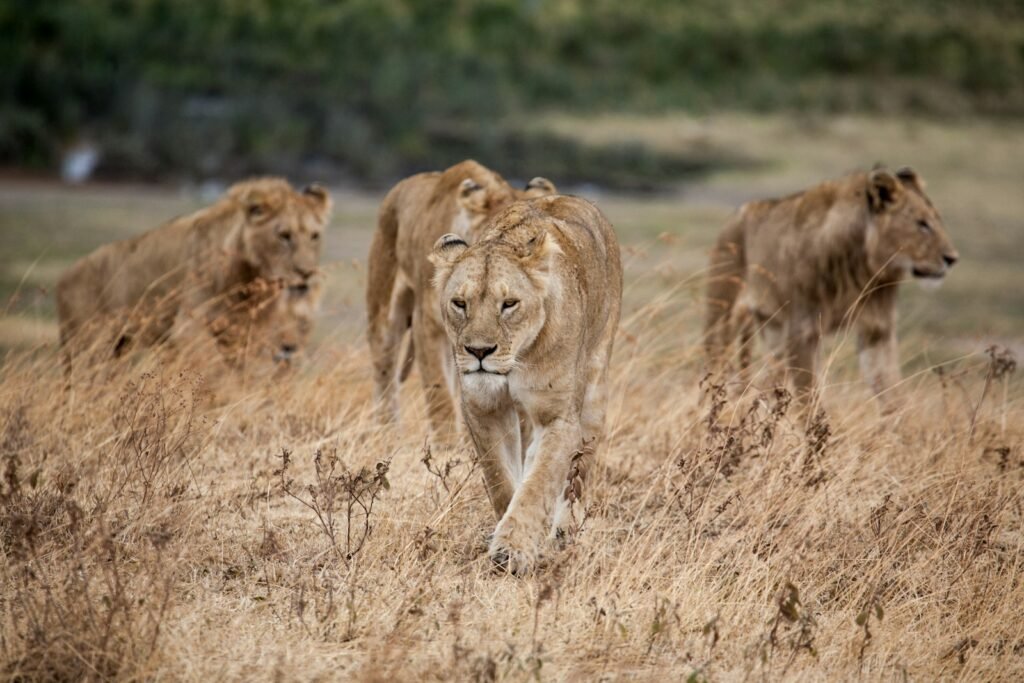
Early and late January need different expectations
January is a transition within a season, rather than a single wildlife appointment. Early in the month, a trip may focus on grazing herds and the wider landscape as animals gather in suitable areas. Later dates can bring a greater chance of seeing the calving period develop. Neither pattern fixes where the animals will stand on a given day.
Early January
Allow for holiday demand and choose a route you would enjoy even without witnessing a birth.
Late January
Investigate southern plains stays if calving is a priority, while accepting that the peak may fall outside your visit.
If dates are flexible, discuss your main interest before choosing flights. Herd landscapes, predators and newborns are related interests, but they do not require exactly the same expectations.
Understand the January safari map
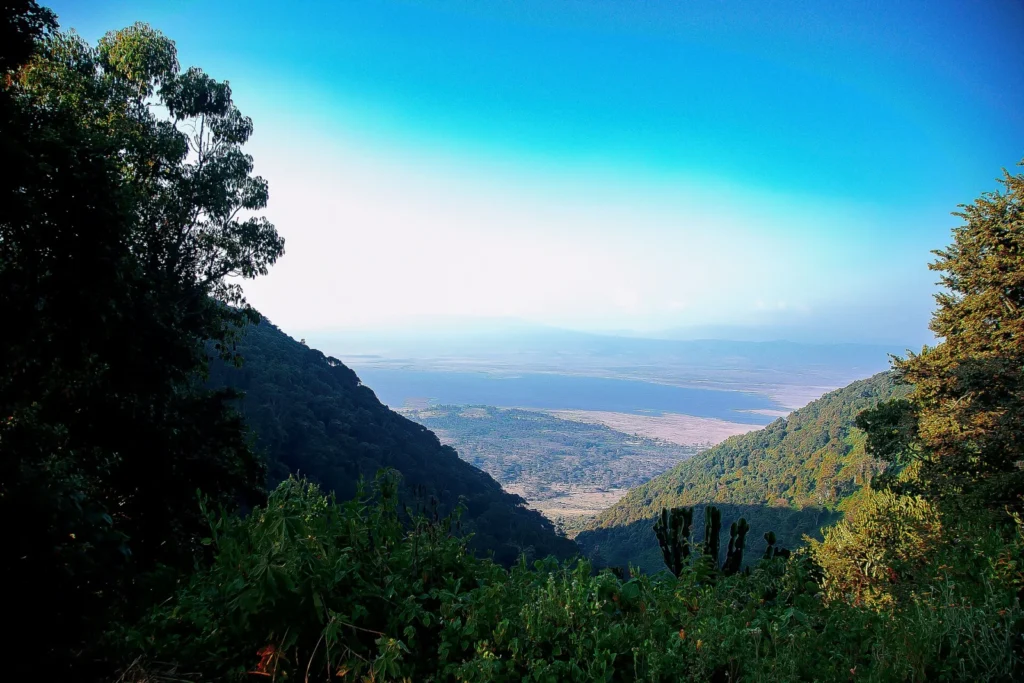
Southern Serengeti is an ecological description that can cross an administrative boundary. The Ndutu area belongs to the broader southern ecosystem; Lake Ndutu and Ndutu Safari Lodge are in the Ngorongoro Conservation Area. They are not inside Ngorongoro Crater. A crater visit is a separate part of the journey.
This distinction affects permits, accommodation choices and daily driving. Ask which protected area contains each overnight and which areas your planned drives cover. Rules differ, including where off-road driving may be allowed. Permission in one place does not extend everywhere. Our migration guide provides the wider context, while your itinerary should show the specific boundaries and charges involved in your route.
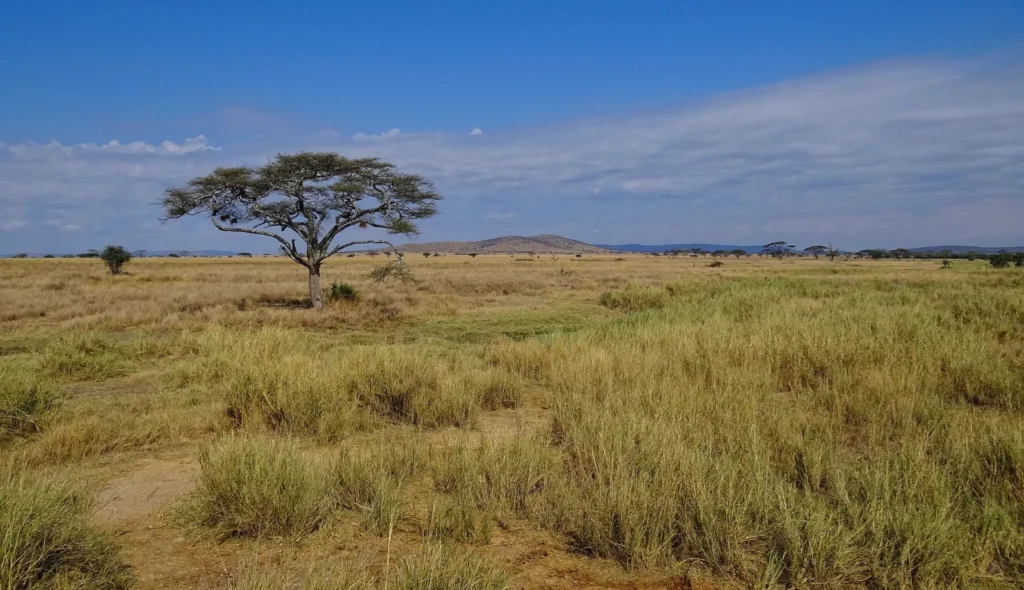
Where to go on a Tanzania safari in January
Choose a main wildlife area first, then add contrast if time permits. A southern focus suits travelers prioritizing seasonal herds; central Serengeti can complement that focus or support a rewarding resident-wildlife trip of its own. It is not a consolation stop when herds are elsewhere.
| Area | Best role in the route | Important qualification |
|---|---|---|
| Ndutu and southern plains | Seasonal herds and possible developing calving | Location and timing depend on rain and grazing |
| Central Serengeti | Resident wildlife and habitat variety | Allow full days rather than a transit-only visit |
| Ngorongoro Crater | A separate landscape and concentrated exploring day | Include the descent arrangements and highland overnight |
| Tarangire | Woodland and elephant interest on a longer route | Wet-season distribution differs from dry river concentrations |
Explore Serengeti and Ngorongoro before adding nights. Your trip length should determine how many of these areas can fit comfortably.
Plan for calving without requiring a birth
The southern plains are broadly associated with the herds during January to March, with calving often concentrated from late January into February. Rainfall and grazing influence the animals, so a fixed travel week cannot promise a birth, a hunt or a particular congregation.
Take an interest in the whole scene: herd movement, grazing behavior, birds and predators at rest as well as in action. Families should discuss the possibility of predation before travel. Your guide can help adjust the day’s focus, but cannot choreograph what wildlife does.
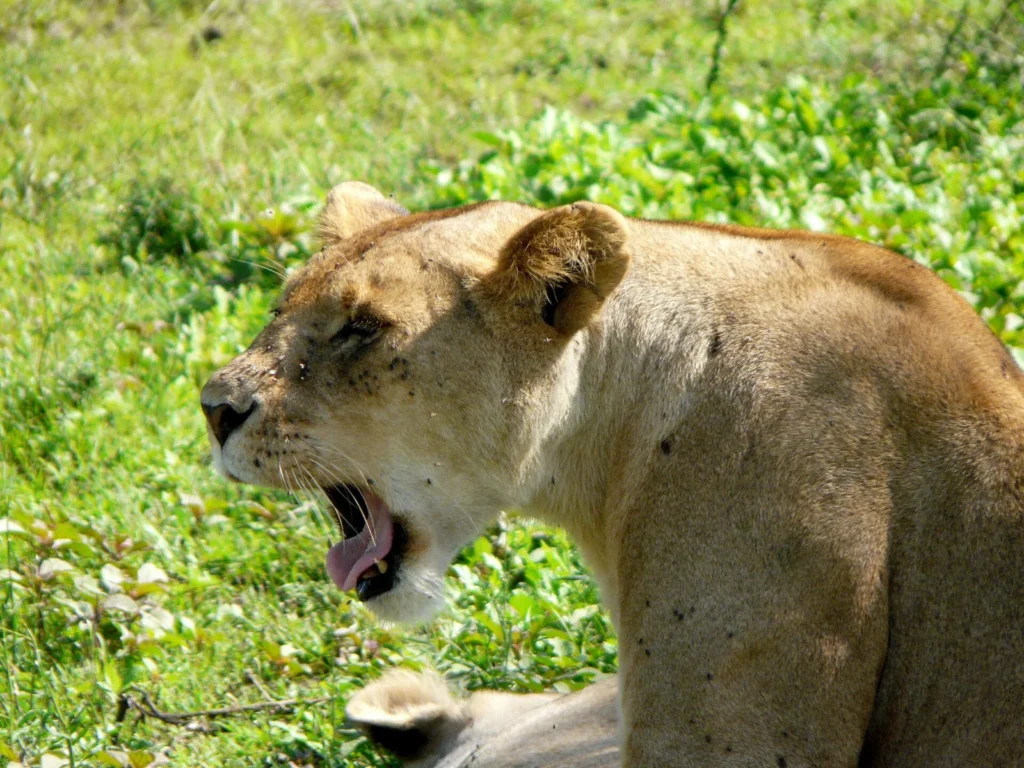
Give the southern plains enough nights
For an eight-day trip including international arrival and departure, consider day one for arrival and rest, day two for the journey toward the highlands, days three to five around a southern base, day six returning toward Ngorongoro, day seven for a crater visit and onward overnight, and day eight for departure. Confirm the actual route and driving implications before adopting it.
If central Serengeti is a priority, add time or replace part of that outline. Squeezing both areas into one-night stays weakens the reason for traveling in January. The six-day migration safari can start the conversation, with its precise January camp areas and arrival arrangements confirmed separately. Our safari duration guide helps weigh an extra night against another destination.
Prepare for a drier interval, with rain possible
January often brings a relatively drier interval in northern Tanzania between the short and long rains. This does not mean rain has ended, nor does it describe every southern or western park equally. A wet track or passing storm can still alter a drive. Use local conditions when choosing loops and timing transfers.
Morning warmth
Carry a fleece for early starts, especially around highland accommodation.
Rain cover
Keep a light waterproof and dry storage accessible during drives.
Daytime comfort
Use breathable clothes, sun protection and a refillable water bottle.
Photo protection
Have a cover and cloth ready before dust or rain reaches your equipment.
Build your bag from the safari packing list and check baggage conditions if any small-aircraft flights are included.
Expect demand where seasonal interest is strongest
January should not automatically be treated as a quiet or inexpensive month. New Year travel can affect the opening days, and camps serving southern herds can attract strong demand as the calving window approaches. Rates and availability depend on the exact property and stay dates.
Ask whether the proposed camp location reduces daily driving to your intended viewing areas. A cheaper bed far away can consume the time you meant to spend observing wildlife. Compare total cost, permits and the number of full days in each habitat. If your preferred southern base is unavailable, evaluate another sensible route rather than accepting a rushed detour or a promise that every camp has the same access.
Questions to settle before you book
Review the actual January plan
- Ask which area each camp occupies and why it suits your dates.
- Separate full game-drive days from transfer days and confirm realistic travel pacing.
- Check park boundaries, entry charges and any permitted off-road activities.
- Discuss alternatives if herd locations differ from the seasonal expectation.
- Confirm cancellation terms, domestic baggage rules and the final airport transfer.
State the experiences that would make the trip worthwhile if calving starts later than expected. This helps a planner balance seasonal opportunities with resident wildlife. It also produces a proposal you can assess on its practical merits, rather than a list of species presented as guaranteed inclusions.
Common questions
Is January too early for calving?
Not necessarily, but early January can be ahead of the main concentration. Late January into February is often the stronger focus. Travel for the broader southern-herd season and treat individual births as a possibility.
Should I stay only in Ndutu?
That can suit a focused wildlife trip, but central Serengeti or Ngorongoro can add variety. Decide using your available days and interests; adding areas helps only when it leaves adequate exploring time.
Are river crossings the main January attraction?
No. A typical seasonal January plan focuses farther south on herds, grazing and possible calving. Do not choose a northern crossing itinerary simply because the migration is on your wish list.
Can I add Zanzibar after a January safari?
Yes, if you count the domestic flight, beach transfer and departure days. Add several proper beach days rather than assuming the flight day provides full relaxation. Coast conditions remain weather-dependent.
Choose the route before chasing the moment
Share your January dates and wildlife priorities through our enquiry form. Ask for clear camp locations, enough nights in the right areas and honest expectations about how the calving season may develop.
Sources and planning notes
Reviewed for the November 2026 to April 2027 travel season. Seasonal patterns are guidance, not a forecast. Confirm current conditions, availability and travel requirements before booking.
- Ndutu primary location information
- Ndutu migration and seasonal calving guidance
- Serengeti seasonal climate
Image credits
- Serengeti-Landscape-2012.JPG — Bjørn Christian Tørrissen / Wikimedia Commons · CC BY-SA 3.0. Resized to WebP; display crop may apply.
- Ndutu 2 (36) (14145986662).jpg — xorge / Wikimedia Commons · CC BY-SA 2.0. Resized to WebP; display crop may apply.
- Natural Landscape of Ngorongoro Crater.jpg — Erasmus Kamugisha / Wikimedia Commons · CC BY-SA 4.0. Resized to WebP; display crop may apply.