
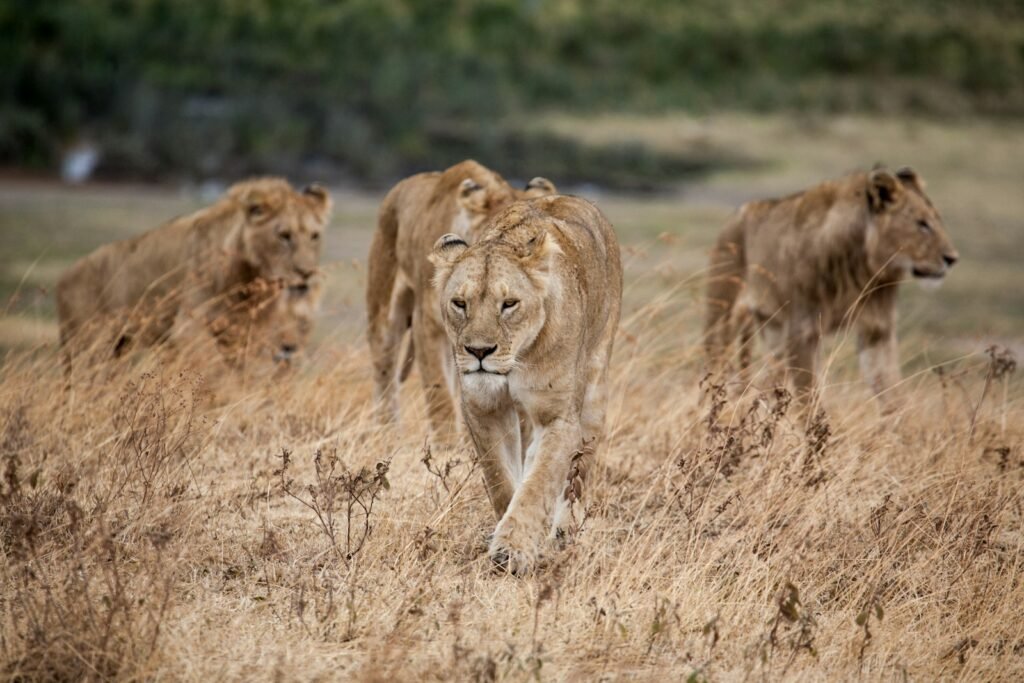
Tanzania safari in March: compare the two halves
| Decision | Early March | Late March |
|---|---|---|
| Rain expectations | A transition can already be underway | Prepare for a greater long-rains influence |
| Migration planning | Southern plains are often a sensible starting point | Reassess the best base against current grazing and movements |
| Accommodation | Check the exact camp location and operating dates | Confirm opening dates and wet-weather access explicitly |
| Route design | Give the main wildlife area several nights | Keep transfers conservative and allow recovery time |
| Best fit | Travelers seeking a southern seasonal focus | Flexible travelers comfortable with more weather uncertainty |
These are tendencies, not a forecast for your particular week. Rain can arrive early, and a late-March journey can include dry spells. Avoid paying for certainty that the calendar cannot provide.
Understand the transition into the long rains
March sits at the start of the usual long-rains period in northern Tanzania. Conditions vary between regions and between individual years. The useful planning question is less “Will it rain?” and more “How will this route work if it rains heavily?”
A shower may simply change the light and interrupt a drive. Prolonged or intense rain can affect track choices, travel times and access to particular places. A drier morning does not mean every track is suitable. Build your expectations around variable conditions and your guide’s judgment. The best-time-to-visit guide gives the broader seasonal context; a March booking still needs local advice close to travel.
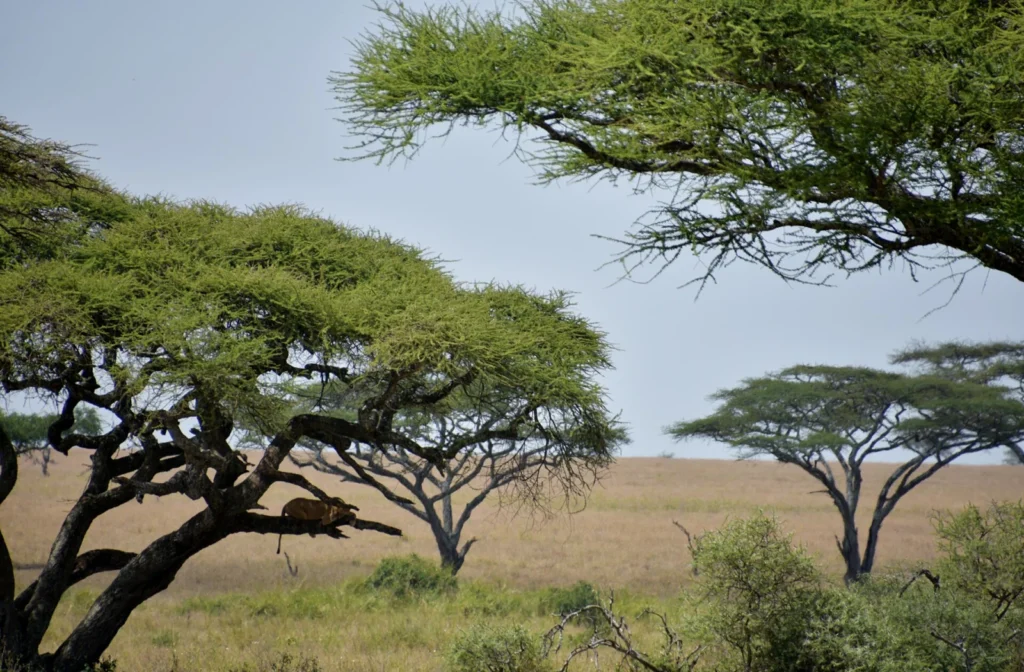
Plan for herds that can change direction
The southern Serengeti ecosystem, including Ndutu, commonly remains relevant in March. Young wildebeest may be growing alongside the herds, while grazing and rain influence where animals gather. The concentrated birth period often associated with late January and February should not be promised for your March dates.
Later in the month, avoid assuming that the herds will occupy the same area they used several weeks earlier. Equally, do not automatically move north because a generic migration map has an arrow there. Discuss recent wildlife information and practical driving distances with your planner. Our migration guide explains the cycle without treating it as a fixed timetable.
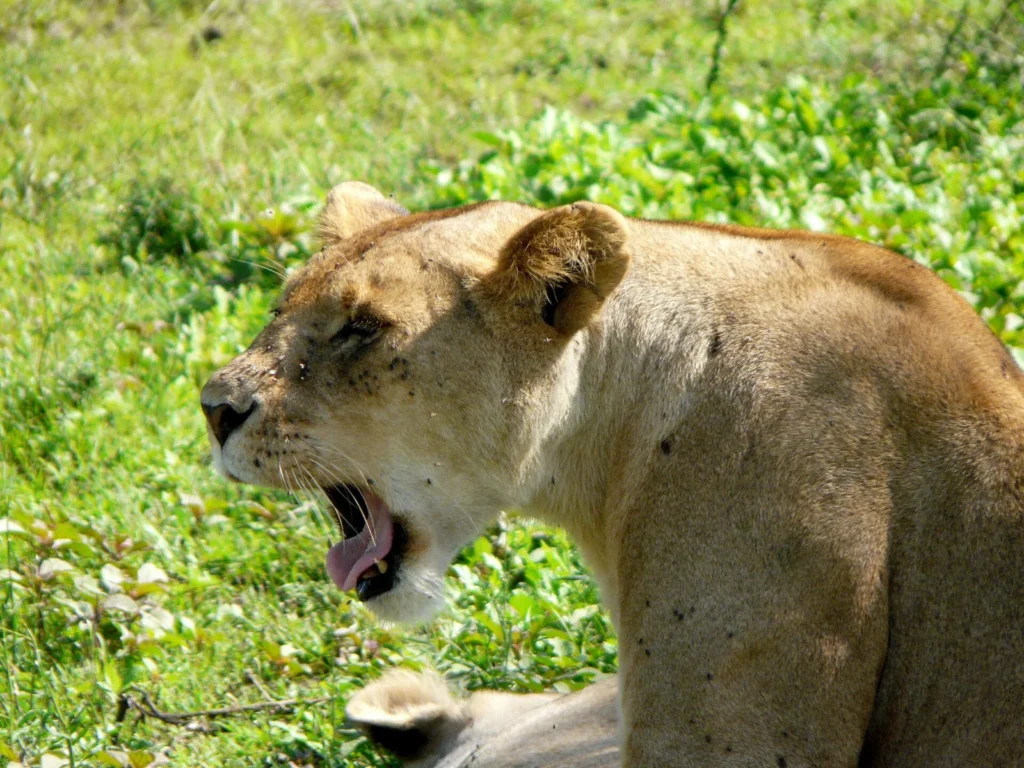
Use resident wildlife to strengthen the plan
Central Serengeti gives a March itinerary a resident-wildlife focus as well as a possible connection with migrating herds. Its value does not depend on being the migration’s center on your dates. Reserve enough time for genuine game drives instead of using it only as a transfer corridor.
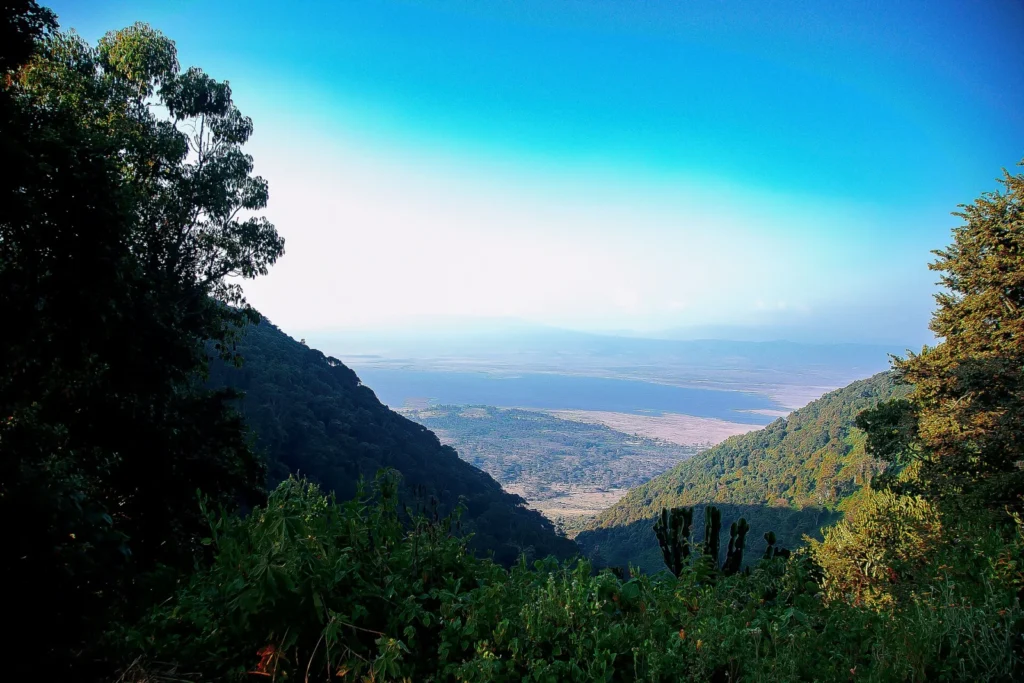
Ngorongoro can add a distinct crater landscape and wildlife experience. Tarangire offers elephant and woodland interest, although wetter-season dispersal changes the dry-season river concentrations. Choose extra parks only when you have enough days. As weather uncertainty rises, moving accommodation every night leaves less room to adjust the daily plan and can make delayed transfers feel more disruptive.
Know which parts of the itinerary can flex
Useful daily flexibility
Your guide can adjust departure time, drive duration and accessible tracks. Longer stays allow a second attempt in an area after a disappointing morning.
Changes that need agreement
Different camps, new park boundaries, changed flights and extra nights may involve costs or availability limits. These are not automatic benefits of a private safari.
Before booking, ask what happens if a route becomes unsuitable and who decides on the alternative. A flexible itinerary is a plan with workable choices, rather than a promise that everything can change freely. Read the terms for accommodation substitutions and missed connections as carefully as the park list.
A realistic eight-day March framework
Use day one for arrival and an Arusha overnight. Travel to the Ngorongoro highlands on day two, with the drive and any agreed activity planned around arrival time. Make the crater descent on day three and return to a highland base. Transfer to your chosen Serengeti area on day four, then keep days five and six for wildlife. Travel back toward Arusha on day seven and depart on day eight.
This framework keeps the main safari stay long enough for different daily choices and avoids attaching an international departure to the longest road transfer. Compare it with the six-day migration safari, then confirm how extra arrival and departure nights fit your flights.
Compare prices alongside the practical details
March should not be priced as one uniform category. Early dates, a well-positioned southern camp and different accommodation seasons can produce very different quotations. A lower room rate is useful only if the camp, access and safari arrangement still suit you. Public holidays or particular booking patterns can also affect availability.
Camp dates
Confirm the property is operating for every booked night.
Transfers
Ask how wet conditions affect the proposed road or air connection.
Wildlife time
Compare full exploration days, not simply nights away.
Terms
Read change and cancellation conditions before paying.
Use the safari cost guide to understand the main budget components.
Prepare for variable days and comfortable evenings
Pack a waterproof outer layer, quick-drying clothing, shoes with grip and a warm layer for early starts. Keep electronics and documents protected inside your day bag. A spare dry change makes an unexpectedly wet transfer less troublesome. Follow the packing checklist, then confirm baggage rules for any domestic flights.
Before confirming March dates
- State how much weather disruption you are comfortable accepting.
- Choose a main wildlife base with sensible alternatives nearby.
- Check camp operations, access and transfer assumptions.
- Leave sufficient time between the safari return and international departure.
For travel in March 2027, treat current planning information as preparation, not a live weather prediction.
Common questions
Is early March always better than late March?
No. Early dates can suit travelers seeking the southern seasonal pattern with potentially less long-rains influence, but conditions vary. Late March can still suit a flexible traveler with well-chosen accommodation and realistic expectations.
Does the migration leave Ndutu on a fixed date?
No. Rain and grazing influence movements across the wider ecosystem. Use the seasonal pattern to choose an initial area, then ask for current guidance rather than relying on a fixed departure date.
Can the guide change our camp each day?
Daily drives may adapt, but camp changes depend on availability, fees and booking terms. Discuss alternatives in advance and distinguish an adjustable game drive from changing the entire accommodation plan.
Should we combine March with a beach stay?
You can, but Zanzibar also has seasonal rain to consider. Count the flight transfer and departure days within the total trip, and avoid making weather-dependent excursions essential to the holiday.
Build March around options you can use
Choose early or late March according to your tolerance for uncertainty, then give the itinerary enough space to work. Camp position, several nights in the main wildlife area and clear transfer arrangements matter more than a rigid seasonal promise. Share your March dates to discuss a route with practical alternatives.
Sources and planning notes
Reviewed for the November 2026 to April 2027 travel season. Seasonal patterns are guidance, not a forecast. Confirm current conditions, availability and travel requirements before booking.
- Serengeti rainy-season timing
- Ndutu seasonal herds and young wildebeest
- Tanzania Meteorological Authority forecasts and advisories
Image credits
- Serengeti landscape (5) (28631238305).jpg — Richard Mortel from Riyadh, Saudi Arabia / Wikimedia Commons · CC BY 2.0. Resized to WebP; display crop may apply.
- Ndutu 2 (36) (14145986662).jpg — xorge / Wikimedia Commons · CC BY-SA 2.0. Resized to WebP; display crop may apply.
- Natural Landscape of Ngorongoro Crater.jpg — Erasmus Kamugisha / Wikimedia Commons · CC BY-SA 4.0. Resized to WebP; display crop may apply.