
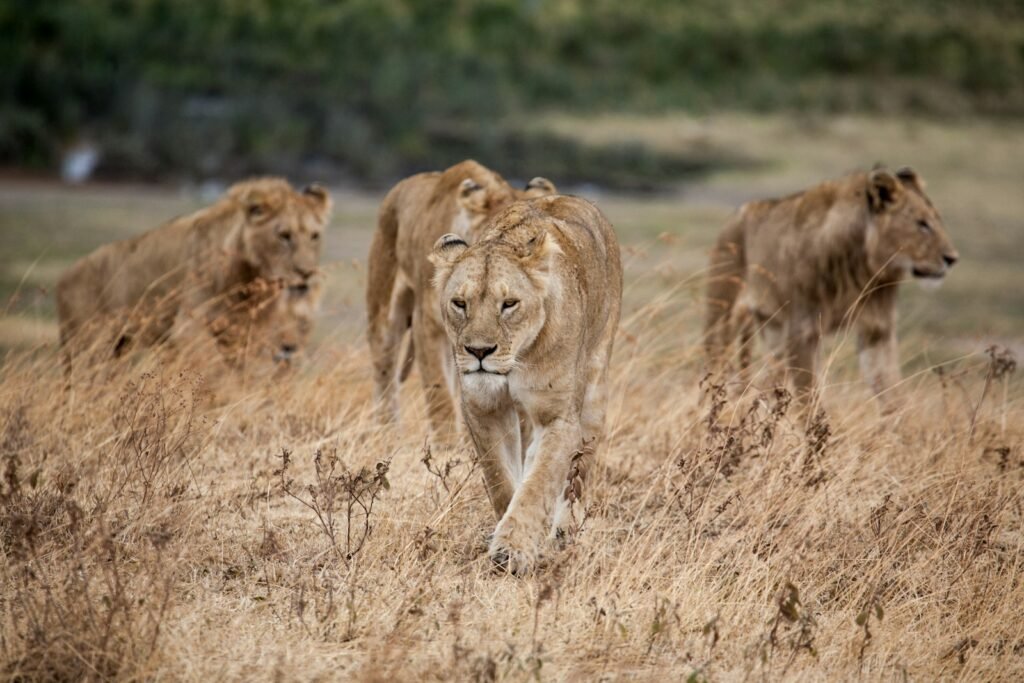
Why combine a safari and Kilimanjaro?
Northern Tanzania is one of the few places where you can stand on the highest peak in Africa and see the Big Five in the same trip. The distances are short. Moshi, the main town for Kilimanjaro, is about an hour from Kilimanjaro International Airport (JRO). Arusha, the gateway to the safari parks, is about an hour in the other direction.
One international flight
Fly into JRO for both the climb and the safari.
One operator
A single team handles transfers, hotels and luggage between the two.
A perfect reward
A safari is an easy, relaxing way to recover after a hard climb.
Better value
Combining trips can save on extra flights and transfers.
Climb first or safari first?
Both orders work. Most climbers prefer to climb first, but there are good reasons for either choice.
Climb first
- You start the climb fresh and healthy
- The safari becomes your recovery and celebration
- Less risk of picking up a cold or stomach bug before the mountain
- Our usual recommendation
Safari first
- Time to beat jet lag before the climb
- A night on the Ngorongoro rim adds a little altitude
- Good if your climb dates are fixed late in the trip
- Risk of arriving tired at the mountain gate
Whichever order you choose, include a rest night between the two. You will be glad of a hot shower and a proper bed.
How many days you need
- 11 to 12
- Short and focusedA 6-day climb, one rest night and a 3-day safari to Tarangire and Ngorongoro.
- 13 to 15
- The best balanceA 7- or 8-day climb, a rest night and a 4- to 5-day safari including the Serengeti.
- 16+
- Add the beachFinish with a few nights in Zanzibar to fully relax.
Choosing a longer climb improves your chance of reaching the summit. Compare routes in our Lemosho vs Machame guide.
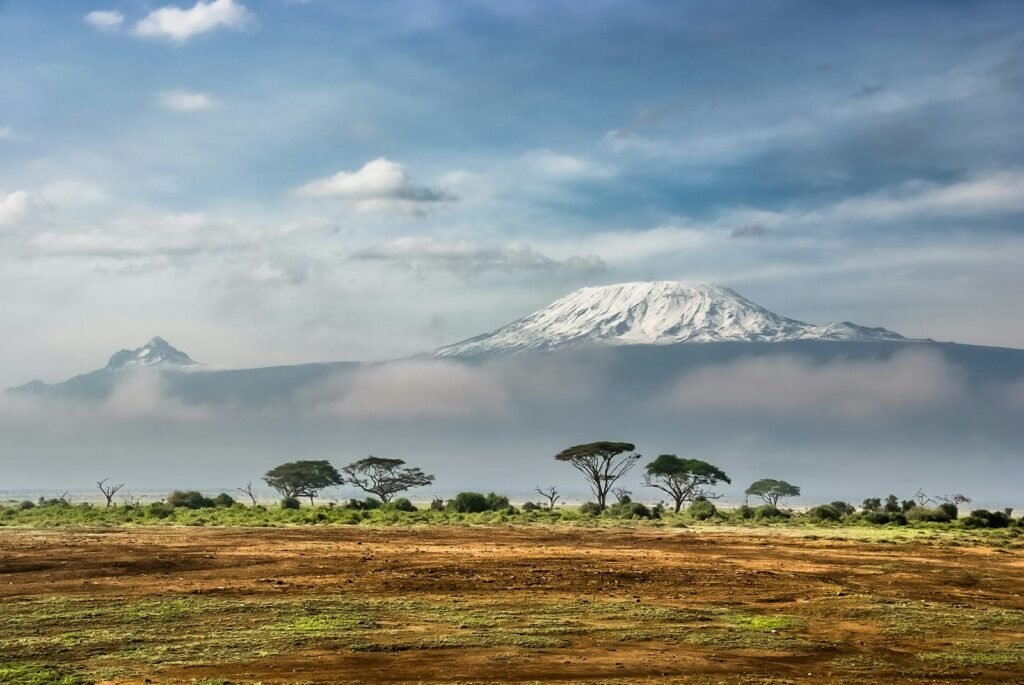
Best months for both
| Months | Kilimanjaro | Safari |
|---|---|---|
| January to February | Dry and clear, a little warmer | Calving season in the southern Serengeti |
| March to May | Long rains, muddy trails | Green and quiet, some camps close |
| June to October | Dry and popular, colder nights | Dry season, migration in the north |
| November to December | Short rains, possible showers | Green, herds heading south |
For more detail, read the best time to visit Tanzania and Kilimanjaro weather by month.
A sample 14-day itinerary
This sample plan combines the 8-day Lemosho route with a 4-day northern safari. Every day can be adjusted.
| Day | Plan |
|---|---|
| 1 | Arrive at JRO, transfer to Moshi, gear check |
| 2 to 9 | 8-day Lemosho route to Uhuru Peak |
| 10 | Rest day and night in Arusha |
| 11 | Tarangire National Park |
| 12 | Drive to the Serengeti |
| 13 | Ngorongoro Crater |
| 14 | Return to Arusha and fly home |
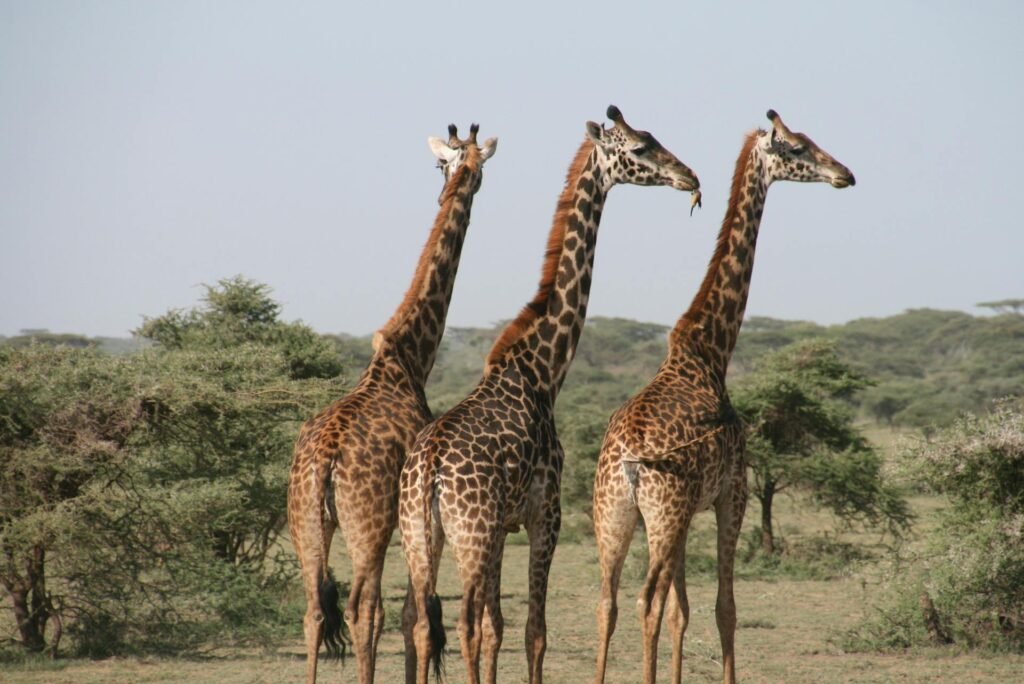
Packing for the mountain and the safari
You need very different clothes for each part of the trip. Pack smart so you are not carrying mountain gear on safari.
- Use two bags: One for the mountain, one for the safari. Store the spare bag at your hotel.
- Rent heavy gear: Sleeping bags, down jackets and poles can be hired in Moshi.
- Choose neutral safari colors: Khaki, olive and beige work best on game drives.
- Use soft bags: Light aircraft often limit you to about 15 kg in soft luggage.
- Plan laundry: Many lodges offer laundry after the climb.
Use our Kilimanjaro packing list and safari packing list.
Practical logistics
- Fly into JRO: It is closest to both Moshi and Arusha. See flights to Tanzania.
- Get one visa: A single Tanzania visa covers the whole trip. Read our visa guide.
- Check insurance: Make sure it covers trekking to 6,000 m as well as the safari.
- Budget for tips: Plan tips for both your mountain crew and safari guide. See money and tipping.
- Book together: One operator can line up dates so there are no gaps.
See typical prices in our Kilimanjaro climb cost guide and Tanzania safari cost guide.
Common questions
Should I climb Kilimanjaro before or after a safari?
Most people climb first, while they are fresh, and enjoy the safari afterwards as a recovery. Safari first can help with jet lag, but you may arrive at the mountain more tired.
How many days do I need for a safari and Kilimanjaro?
Around 13 to 15 days works well. That allows a 7- or 8-day climb, a rest night and a 4- to 5-day safari. Shorter trips are possible with a 6-day climb and a 3-day safari.
What is the best month for a Tanzania safari and Kilimanjaro?
January to February and June to October. These months usually bring the driest weather on the mountain and good wildlife viewing in the parks.
Can I store luggage while I climb?
Yes. Most hotels in Moshi and Arusha will store your safari bag while you are on the mountain. Your operator can arrange this.
Can I add Zanzibar to a safari and Kilimanjaro trip?
Yes. Short flights connect Arusha and Kilimanjaro to Zanzibar. Three or four beach nights make a relaxing end to the trip.
Plan your safari and Kilimanjaro trip
We arrange the climb, the safari and everything in between, from airport pickup to luggage storage. Tell us your dates and how long you have, and we will build a combined itinerary. Send your trip enquiry.
Sources and planning notes
Reviewed November 2026 for 2027 travel. Seasons are general patterns, not forecasts. Confirm current travel requirements before booking.