
Lemosho route at a glance
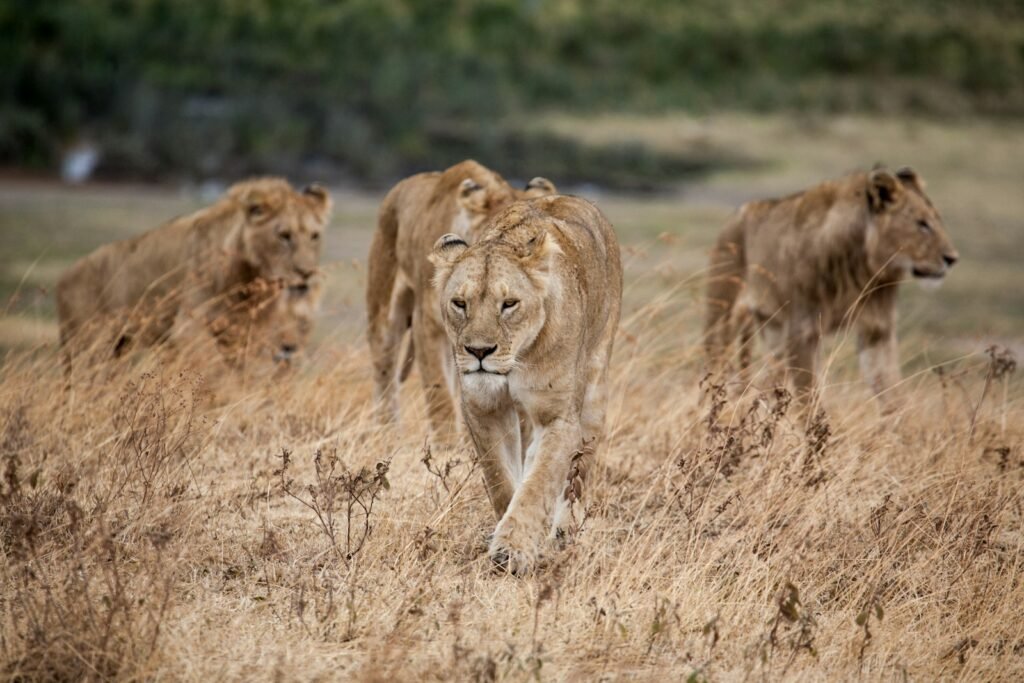
Lemosho begins on the quieter western side of Kilimanjaro. The first two days pass through rainforest and moorland with fewer people than the Machame or Marangu trails. From day 4 you join the busier southern circuit, but by then you are well into your acclimatization.
| Detail | What to expect |
|---|---|
| Start and finish | Lemosho Gate (2,385 m) to Mweka Gate (1,800 m) |
| Summit | Uhuru Peak, 5,895 m |
| Nights on the mountain | 7 nights in tents |
| Difficulty | Challenging, but no technical climbing |
| Hardest days | Lava Tower day and summit night |
| Best for | Climbers who want scenery, quiet trails and good acclimatization |
For a wider comparison of all trails, see our Kilimanjaro routes guide.
Why choose 8 days on Lemosho?
Altitude, not fitness, is the main reason climbers turn back on Kilimanjaro. The single best way to improve your chances is to give your body more time to adjust. Lemosho can be done in 7 days, but the 8-day version adds a gentler day on the Shira Plateau and a shorter push to base camp.
Slower height gain
Smaller daily climbs reduce headaches, nausea and poor sleep.
Climb high, sleep low
Lava Tower at about 4,600 m helps your body adapt before you sleep lower at Barranco.
Shorter final days
The extra day leaves you fresher for the long summit night.
More time to enjoy it
Fewer rushed mornings and more time for views and photos.
Lemosho route 8 days: day by day
Hiking times below are typical ranges. Your guide will set the pace on the day, and weather or group speed can change them.
| Day | Route | Sleep altitude | Typical hiking |
|---|---|---|---|
| 1 | Lemosho Gate to Big Tree Camp (Mti Mkubwa) | 2,708 m | 3 to 4 hours |
| 2 | Big Tree Camp to Shira 1 Camp | 3,500 m | 5 to 6 hours |
| 3 | Shira 1 to Shira Hut, optional Shira Cathedral | 3,895 m | 3 to 5 hours |
| 4 | Shira Hut to Lava Tower (4,600 m) to Barranco Camp | 3,960 m | 6 to 7 hours |
| 5 | Barranco Wall to Karanga Camp | 4,035 m | 4 to 5 hours |
| 6 | Karanga Camp to Barafu Camp | 4,640 m | 3 to 4 hours |
| 7 | Summit night to Uhuru Peak, then down to Mweka Camp | 3,080 m | 12 to 16 hours |
| 8 | Mweka Camp to Mweka Gate | Off the mountain | 3 to 4 hours |
Days 1 to 3: forest, moorland and the Shira Plateau
After a drive of about two hours to Londorossi Gate for registration, you start walking through thick rainforest. Look for colobus monkeys in the canopy. On day 2 the trees give way to open moorland and your first clear views of Kibo, the summit cone. Day 3 is an easier crossing of the Shira Plateau. If you feel well, the short side hike to Shira Cathedral is a useful acclimatization walk.
Day 4: Lava Tower, the key acclimatization day
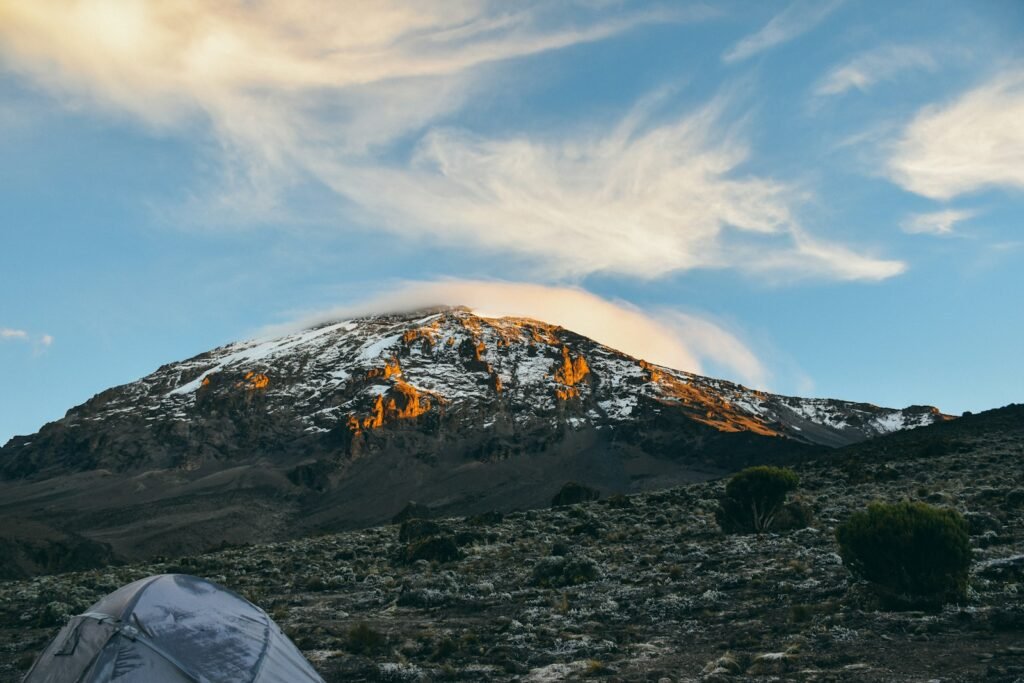
This is often the day climbers feel the altitude most. You climb into alpine desert, reach Lava Tower at about 4,600 m for lunch, then descend to Barranco Camp. Going high and sleeping lower is one of the most effective ways to adapt. Drink plenty of water and walk slowly, even if you feel strong.
Days 5 and 6: Barranco Wall to base camp
Day 5 starts with the Barranco Wall, a steep scramble that looks harder than it is. You use your hands in a few places, but no ropes or climbing skills are needed. Day 6 is a shorter climb to Barafu Camp. You eat an early dinner, prepare your summit kit and try to sleep before a late-night start.

Days 7 and 8: summit and descent
You leave Barafu around midnight and climb slowly to Stella Point on the crater rim, usually near sunrise. From there it is roughly another hour to Uhuru Peak. After photos, you descend to Barafu for a rest, then continue down to Mweka Camp. On day 8 you walk out through the forest to Mweka Gate and collect your summit certificate.
What summit night is really like
Summit night is the hardest part of any Kilimanjaro climb. Expect darkness, cold well below freezing, slow steps on loose scree and thin air. Most climbers take six to eight hours to reach the top.
- Dress in layers: Base layers, fleece, a down jacket, warm gloves and a hat. See our Kilimanjaro packing list.
- Keep water from freezing: Use an insulated bottle or carry it inside your jacket.
- Bring easy snacks: Small, familiar snacks you can eat with gloves on.
- Keep batteries warm: Cold drains headlamp and phone batteries quickly.
- Trust your guide: If they ask you to turn back for safety, follow their advice.
Who the 8-day Lemosho suits
A great fit
- First-time high-altitude trekkers
- Climbers who want quieter early days
- Photographers and nature lovers
- Anyone who values summit chances over speed
Consider another option
- Travelers with only 5 or 6 days
- Climbers who prefer huts to tents
- Those on the tightest budget
- People who want a shorter drive to the gate
If you prefer huts, the Marangu route is the only trail with dormitory accommodation. If you want a quieter northern approach, consider the 7-day Rongai route.
How to prepare for the climb
You do not need to be an athlete, but steady preparation makes the climb more enjoyable.
- Walk often: Build up to long day hikes of five to seven hours with a daypack.
- Train on hills: Stairs and steep trails prepare your legs for long descents.
- Break in your boots: Wear them on several long walks before you travel.
- Talk to your doctor: Ask about altitude medication and any health conditions.
- Get insurance that covers altitude: Check that it covers trekking up to 6,000 m and evacuation.
Read our climbing Kilimanjaro guide for more on fitness and acclimatization.
Best months to climb Lemosho
The driest and clearest months are usually January to early March and June to October. These are also the busiest times. April and May bring the long rains, and November can be wet. Lemosho’s western forest section can be muddy after rain.
See Kilimanjaro weather by month or our guide to climbing in January or February.
Common questions
Is the 8-day Lemosho route hard?
It is challenging but not technical. The daily walking is steady, and the hardest parts are the Lava Tower day and the cold, steep summit night. Altitude is the main challenge, not climbing skill.
Is 8 days better than 7 days on Lemosho?
For most climbers, yes. The extra day spreads the height gain more evenly, which gives your body more time to acclimatize and usually leaves you stronger for summit night.
Where do you sleep on the Lemosho route?
In tents at designated campsites. Your crew carries and sets up tents, a dining tent and toilet facilities, depending on the package you book.
How long is summit day on Lemosho?
Usually 12 to 16 hours in total. You climb for six to eight hours to Uhuru Peak, then descend to Barafu and on to Mweka Camp.
Do I need climbing experience for Lemosho?
No. Good general fitness and hiking experience help, but no ropes or technical skills are needed. The Barranco Wall is a short scramble where you sometimes use your hands.
Ready to plan your Lemosho climb?
Eight days on Lemosho gives you scenery, quieter trails and a well-paced route to the top of Africa. Tell us your preferred month and group size, and we will help you choose a departure date. Send your Kilimanjaro enquiry.
Sources and planning notes
Reviewed November 2026 for 2027 climbs. Hiking times are typical ranges and altitudes are rounded. Always follow your guide’s advice on the mountain.