
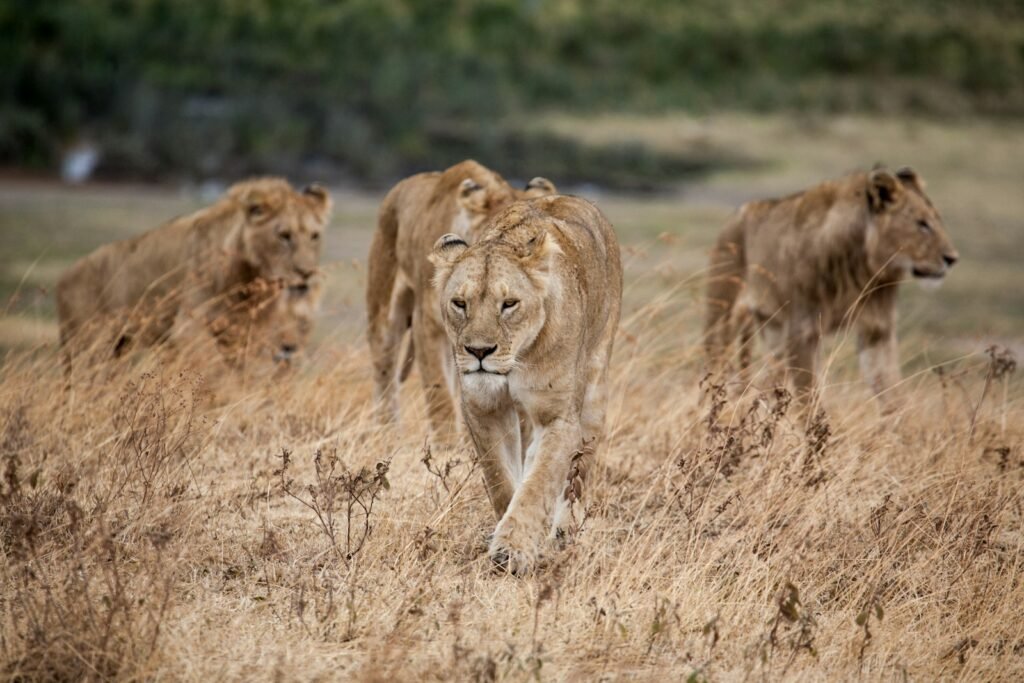
Ngorongoro Crater at a glance
Ngorongoro Crater is a huge collapsed volcano, or caldera, inside the Ngorongoro Conservation Area. Steep walls around 600 m high surround a floor of grassland, swamps, forest and a soda lake. Many animals live there all year, which makes wildlife viewing reliable.
| Topic | What to expect |
|---|---|
| Drive from Arusha | About 3 to 4 hours to the main gate |
| Drive from Karatu | About 30 to 45 minutes to the gate |
| Time on the floor | Usually limited to about 6 hours per vehicle |
| Rim altitude | Around 2,200 to 2,300 m, so mornings are cold |
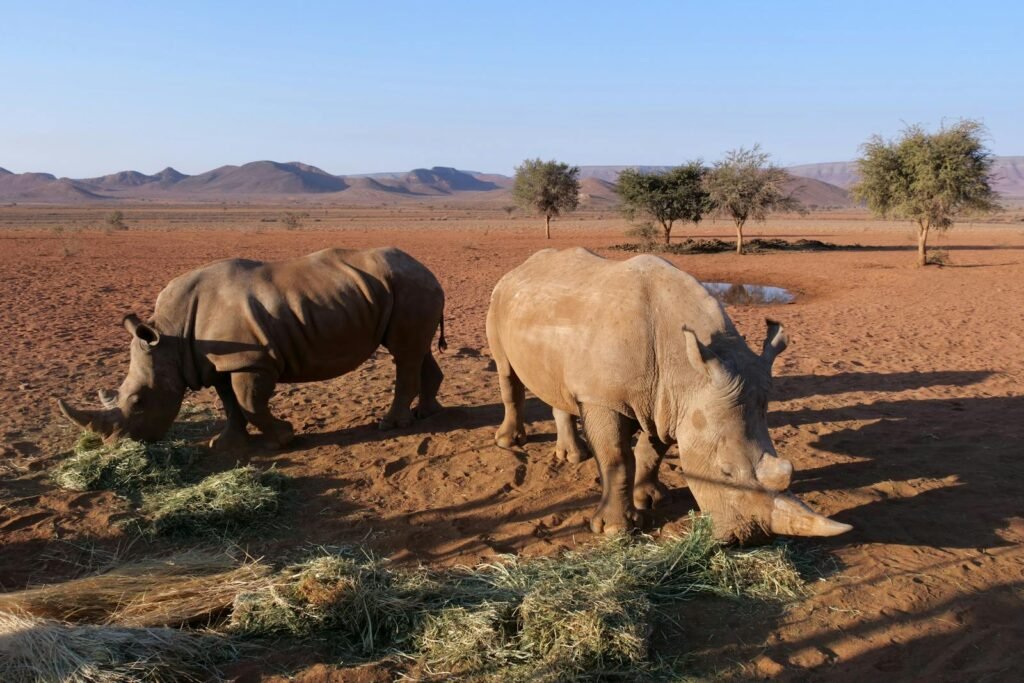
| Best known for | Black rhino, lions, buffalo, hippos and flamingos |
Read the Ngorongoro Conservation Area guide for an overview of the wider area.
Where to start your day trip
Your start point makes a big difference to how much you enjoy the day.
From Karatu or the rim
- Short drive to the gate
- Enter at opening time for the best light
- Use your full time on the crater floor
- Our recommended option
From Arusha
- Very early start, around 5 am
- Long day of 12 hours or more
- Less time on the crater floor
- Only if you have no other choice
Many travelers visit the crater as part of a longer route, often after Tarangire or Lake Manyara.
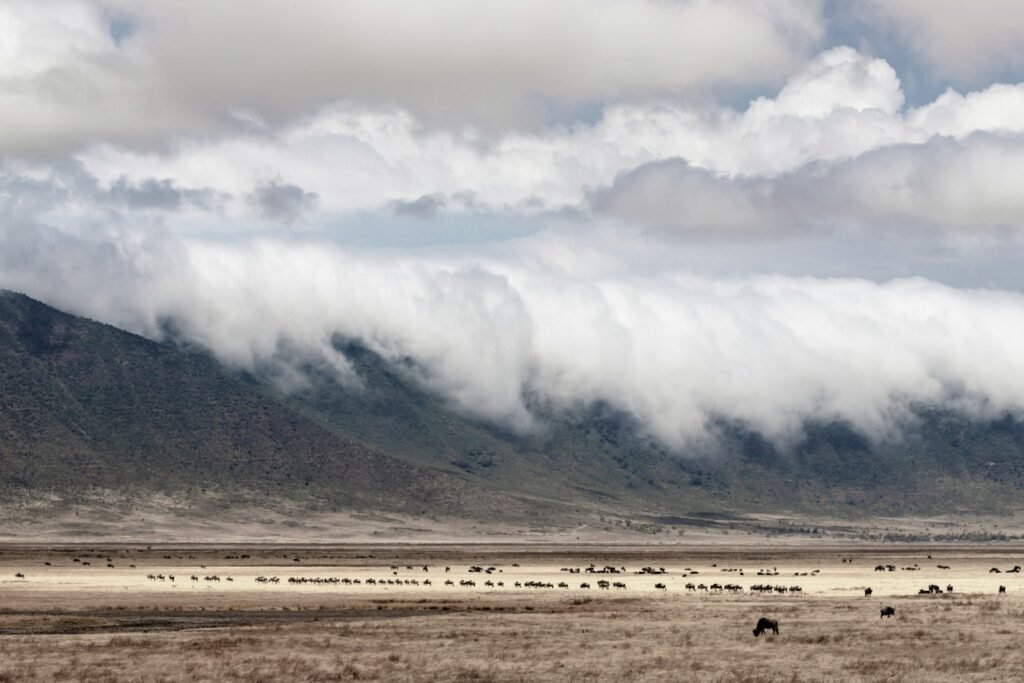
A sample crater day schedule
| Time | Plan |
|---|---|
| 6:00 am | Early breakfast and leave your lodge |
| 6:45 am | Enter the Conservation Area gate |
| 7:30 am | Descend to the crater floor |
| 7:30 am to 12:30 pm | Game drive across grassland, swamps and the lake shore |
| 12:30 pm | Picnic lunch at a designated site |
| 1:30 pm | Drive up the crater wall and continue your journey |
Your guide will plan the exact timing around the crater time limit and gate rules.
What you can see on the crater floor
- Black rhino: A small population lives in the crater. Sightings are often at a distance, so bring binoculars.
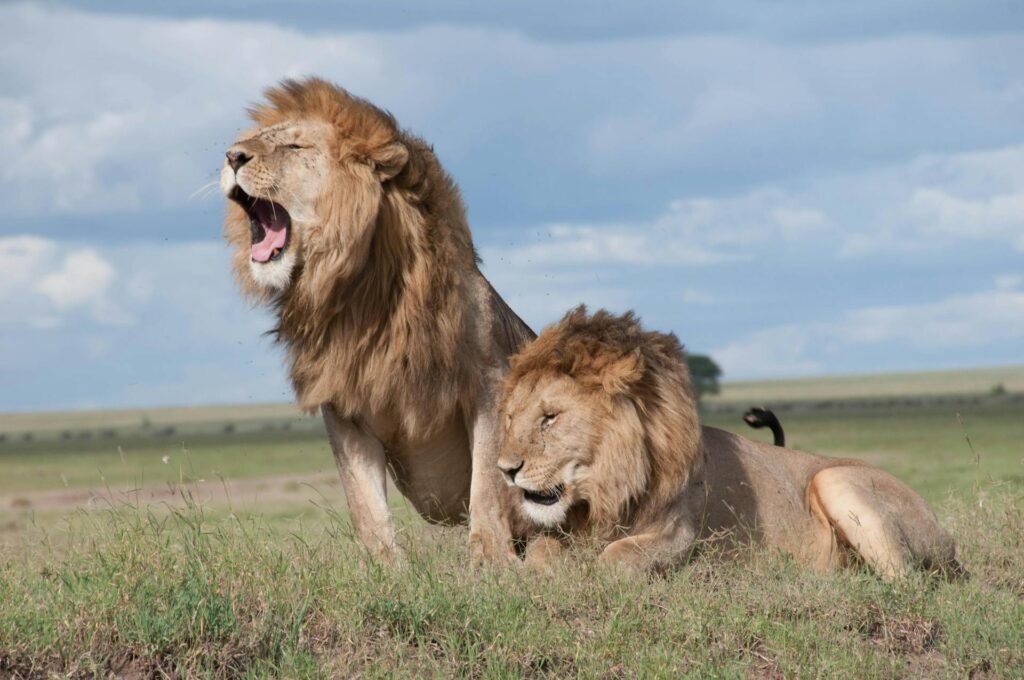
- Lions and spotted hyenas: Common and often seen near the herds.
- Buffalo, zebra and wildebeest: Large numbers graze on the open floor.
- Elephants: Mostly older bulls, often near the forest.
- Hippos: Found in pools and swamps.
- Flamingos: Seen on the soda lake when conditions are right.
Ngorongoro Crater fees
A crater day has two charges. Both are usually included in a safari quote.
| Fee | Commonly quoted rate | How it is charged |
|---|---|---|
| Conservation Area entry, adult | About US$70.80 | Per person, per 24 hours |
| Conservation Area entry, child 5 to 15 | About US$23.60 | Per child, per 24 hours |
| Crater service fee | About US$295 | Per vehicle, per descent |
The crater service fee is shared by everyone in the vehicle. Read our Tanzania park fees guide for a full breakdown.
Tips for a better crater day
- Enter early: The first hours have the best light and fewer vehicles.
- Dress in layers: The rim is cold at dawn, and the floor gets warm by midday.
- Bring binoculars: Rhinos are often seen from a distance.
- Watch your lunch: Black kites at picnic sites are known for stealing food. Eat inside the vehicle if your guide suggests it.
- Be patient: Let your guide wait at a sighting rather than rushing to the next one.
Our safari packing list covers what to wear on a crater day.
Best time to visit the crater
Ngorongoro Crater can be visited all year because most wildlife stays on the floor.
June to October
Dry and clear, but busier. Cold mornings on the rim.
November to February
Green and beautiful. A good time to combine with the calving season.
March to May
Long rains. Quieter, with lush scenery and some muddy roads.
All year
Enter early in any season for the best experience.
Choosing between parks? Compare them in our Serengeti vs Ngorongoro guide.
Common questions
Can you do a Ngorongoro Crater day trip from Arusha?
Yes, but it is a long day of 12 hours or more, with about 3 to 4 hours of driving each way. Staying the night before in Karatu or on the rim gives you more time on the crater floor.
How long can you stay in Ngorongoro Crater?
Vehicles are usually limited to about six hours on the crater floor. Your guide will plan your descent and exit around this rule.
Can you see the Big Five in Ngorongoro Crater?
It is possible. Lions, buffalo, elephants and black rhino live in the crater. Leopards are harder to see on the open floor and are more often found on the forested rim.
How much does it cost to enter Ngorongoro Crater?
Commonly quoted fees are about US$70.80 per adult for Conservation Area entry, plus about US$295 per vehicle for each descent. Confirm current rates before you travel.
Is Ngorongoro Crater good for families?
Yes. Wildlife is easy to find, and the day has a clear structure. Our family safaris often include the crater.
Plan your Ngorongoro Crater day
The crater rewards an early start and a guide who knows it well. Tell us your dates and where you are starting from, and we will plan your crater day with fees included. Send your safari enquiry.
Sources and planning notes
Reviewed November 2026 for 2027 travel. Fees and crater rules are set by the Ngorongoro Conservation Area Authority and can change.