
What is a Mara River crossing?
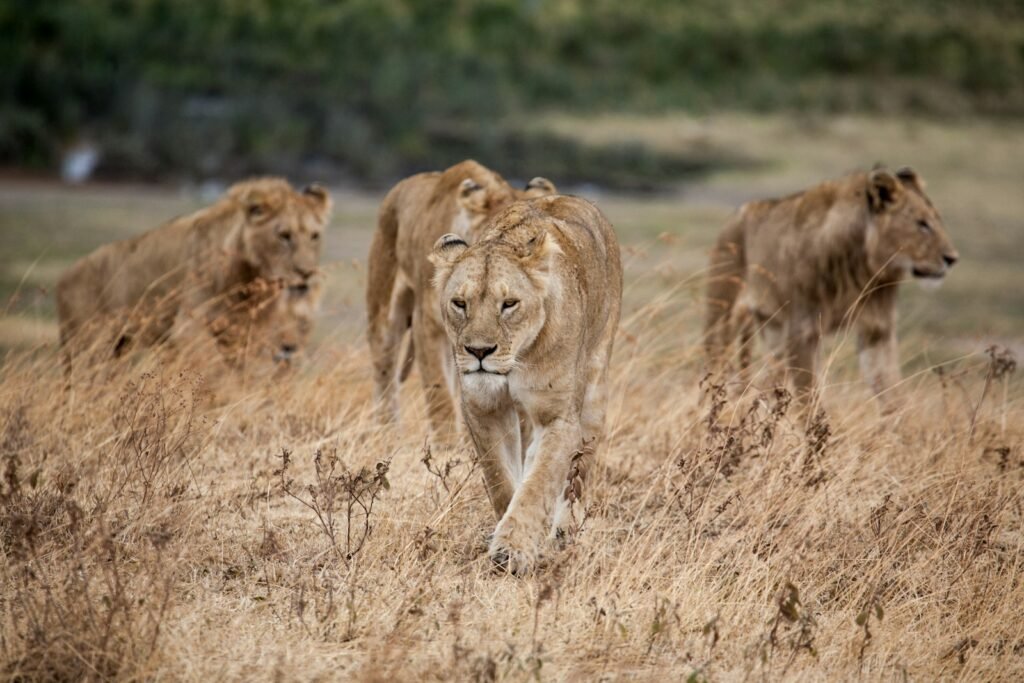
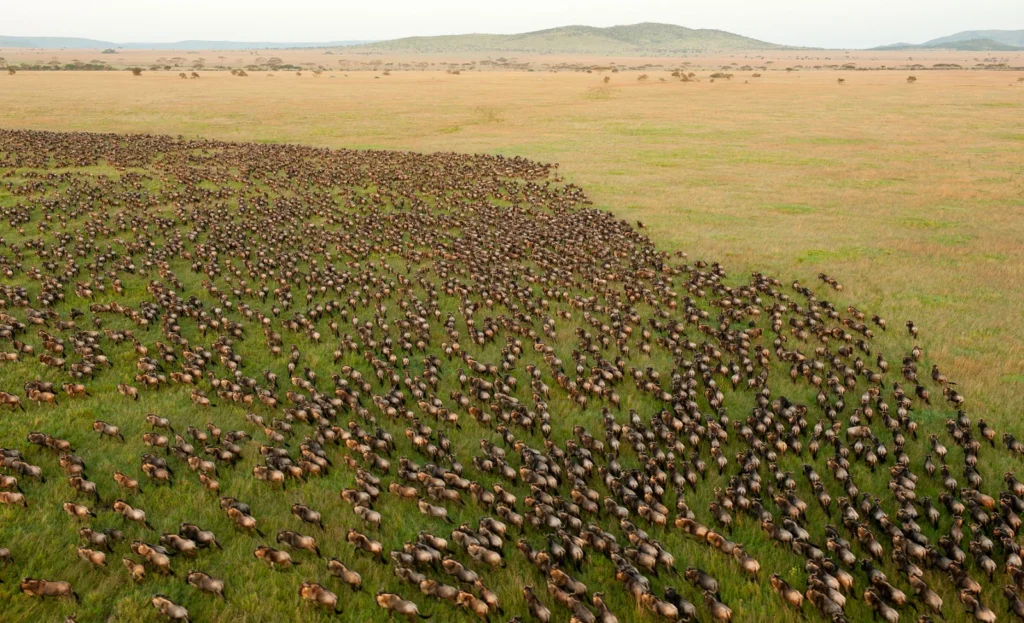
Each year, more than a million wildebeest, along with zebra and gazelle, move in a loop through the Serengeti ecosystem. In the dry season, many herds reach the far north of the Serengeti, where the Mara River blocks their path. They gather on the banks, then plunge across, often in front of waiting crocodiles.
It is one of the most dramatic wildlife events on earth. It is also unpredictable. Herds may gather for hours and then turn away, or cross several times in one day. Patience is part of the experience.
Learn how the whole year works in our Great Migration in Tanzania guide.
Mara River crossing months
The migration follows rain and fresh grass, so its timing shifts from year to year. This is a general pattern, not a forecast.
| Month | What usually happens | Crossing chances |
|---|---|---|
| June | Herds in the western corridor, with Grumeti River crossings possible | Mara crossings unlikely |
| July | First herds arrive in the north | Good, building through the month |
| August | Large herds along the Mara River | Often very good |
| September | Herds move back and forth across the river | Often very good |
| October | Herds start moving south as rains approach | Possible, less frequent |
| November | Most herds heading south | Unlikely |
If you cannot travel in the dry season, consider the calving season in the south. Read our Ndutu calving season guide.
Where to stay on a Mara River crossing safari
Location matters more than luxury. The main crossing points are in the far north of the Serengeti, around the Kogatende and Lamai areas. Staying close means more time at the river and less time driving.
Northern Serengeti camps
- Closest to the crossing points
- Best chance to react when herds gather
- Fill up early for August and September
- Often reached by light aircraft
Central Serengeti lodges
- Long drive to the river, often several hours
- Less time waiting at crossing points
- Good resident wildlife all year
- Useful as a stop on the way north
Many travelers fly into the north to save a full day of driving, then drive south through the Serengeti. See the Serengeti National Park guide for more on each area.
Mara River crossing safari: how many days?
- 2 days
- The bare minimumPossible, but you may miss a crossing if the herds are quiet.
- 3 to 4 days
- The sweet spotEnough time to wait at the river and see the wider northern Serengeti.
- 5+ days
- For photographersThe best chance of several crossings and different light.
Wondering how this fits into a whole trip? Read how many days you need for a Tanzania safari.
What a crossing day looks like
Crossing days are often long and slow, with moments of intense action.
- Early start: Leave camp after an early breakfast to check where herds are gathering.
- Waiting: Park at a respectful distance and watch. This can take hours.
- The crossing: When the first animals jump, the rest often follow quickly.
- Picnic lunch: Many guests stay out all day with a packed lunch.
- Afternoon drive: Look for lions, cheetahs and other predators following the herds.
Why you should book early for 2027
July to September is the busiest season in the Serengeti. Camps near the river have limited rooms, and many sell out months in advance.
- Book 9 to 12 months ahead: Especially for August and family holidays.
- Hold flights early: Light aircraft seats to the north are limited.
- Be flexible: Moving your dates by a week can open up better camps.
- Check payment terms: Peak season camps often ask for larger deposits.
Peak season prices are higher too. Our Tanzania safari cost guide shows what changes the price.
A sample Mara River crossing safari route
Here is a simple 7-day plan that balances river time with the rest of the northern circuit:
- Day 1: Arrive in Arusha and rest.
- Day 2: Drive via Tarangire or fly to the Serengeti.
- Days 3 to 5: Northern Serengeti, focused on the Mara River.
- Day 6: Central Serengeti game drives.
- Day 7: Ngorongoro Crater, then return to Arusha.
Common questions
Can I see the Mara River crossing from Tanzania?
Yes. The Mara River runs through the northern Serengeti in Tanzania as well as the Masai Mara in Kenya. Tanzania’s side is often quieter, with fewer vehicles at each crossing point.
Is a Mara River crossing guaranteed?
No. Even in the best months, the herds may gather and then turn away. Staying three or more days close to the river gives you the best chance.
What is the best month for the Mara River crossing?
August and September are often the most reliable months. July and October can also be good, depending on rain that year.
How far in advance should I book a crossing safari?
Ideally 9 to 12 months ahead for July to September. Camps close to the river and light aircraft seats sell out first.
Is the northern Serengeti busy during the crossing season?
It is the busiest time of year in the north, but it is usually quieter than the Kenyan side. A good guide will help you find calmer crossing points.
Plan your 2027 crossing safari
The Mara River crossings are unforgettable, but they reward good timing and the right camp. Tell us your preferred dates now, and we will help you secure a camp close to the river. Start planning your migration safari.
Sources and planning notes
Reviewed November 2026 for the 2027 season. Migration timing changes every year with rainfall. Crossings can never be guaranteed.